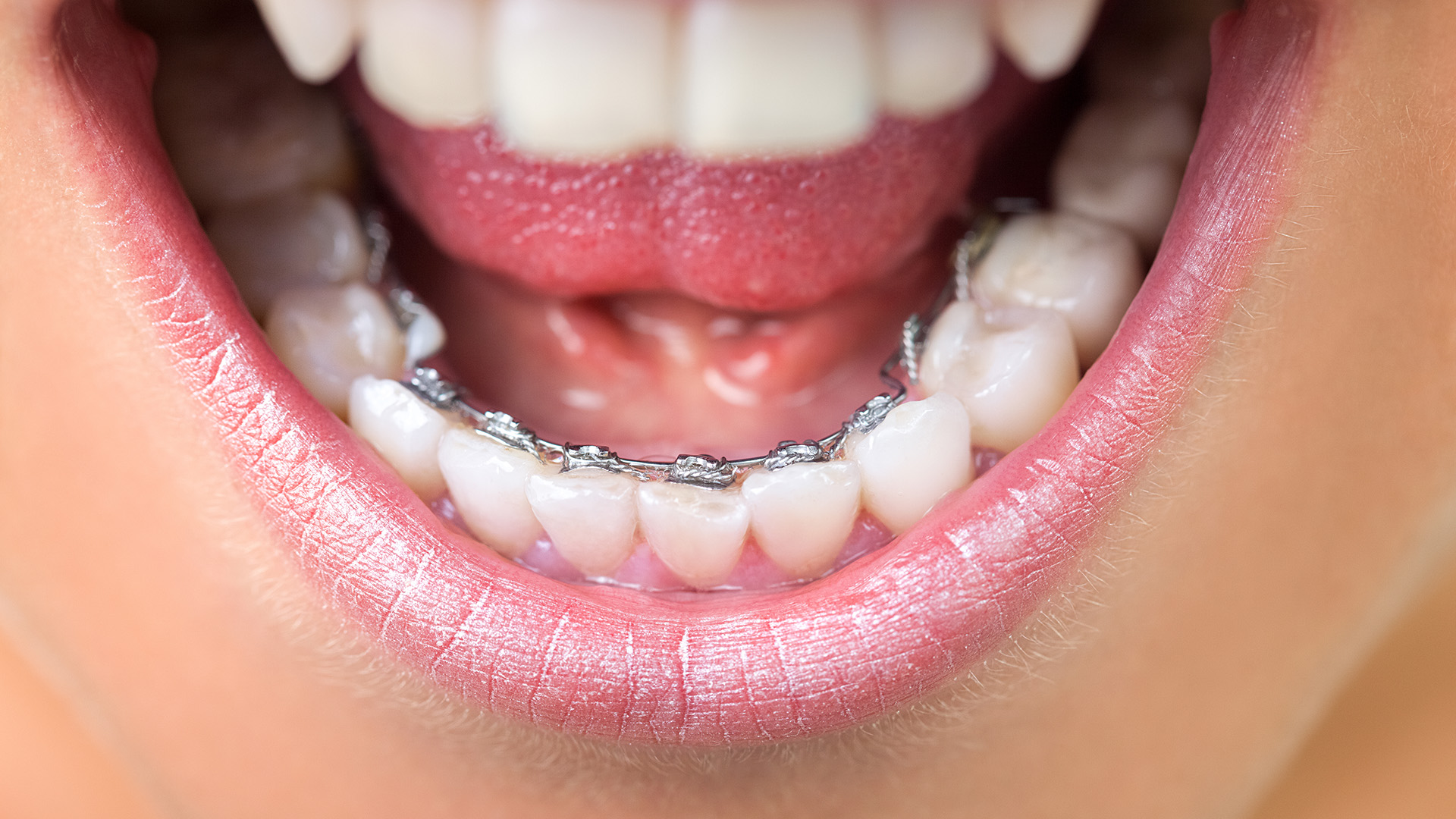
Lingual braces are a discreet orthodontic option that place brackets and wires on the back surfaces of the teeth. They can deliver excellent results with minimal visibility, but they come with unique considerations compared to traditional braces. Understanding potential risks of lingual braces, side effects, and how to manage them helps you make better decisions about treatment.
What Are Lingual Braces and How They Differ from Other Options
Lingual braces use small, custom brackets bonded to the tongue side of the teeth, connected by an archwire. These appliances are typically made from durable metal alloys in a slim profile. Because tooth anatomy varies from person to person, many lingual systems are custom fabricated to fit precisely.
Mechanically, lingual appliances apply forces from behind the teeth, which changes how tooth movements are expressed compared to braces on the front. Force vectors act from the lingual side, and adjustments can be more technique-sensitive due to limited access. Customization, digital scans, and indirect bonding trays improve accuracy but require specialized training and planning.
Lingual braces are commonly chosen by adults and teens who want a truly hidden option, professionals or performers who prefer minimal aesthetic impact, and patients with bite issues that can be addressed effectively from the lingual side. Your orthodontist will assess your bite, oral hygiene, tongue posture, and enamel shape to determine candidacy.
Common Risks and Side Effects
Speech changes and tongue irritation are the most noticeable early effects. Because brackets sit near the tongue, they can alter how certain sounds are formed. A mild lisp or changes in enunciation are common in the first one to three weeks and typically improve with practice as your tongue adapts. Irritation often lessens as soft tissues toughen, and orthodontic wax can help reduce friction.
Oral discomfort, small ulcers, and soft tissue injuries may occur as the tongue and cheeks contact brackets and wires. These effects usually settle within days after adjustments. Use wax, warm salt-water rinses, and over-the-counter pain relievers as directed. Contact your orthodontist if pain escalates, ulcers persist longer than 10 to 14 days, or you notice sharp edges or wire pokes.
Cleaning can be more challenging with appliances hidden behind the teeth, increasing the risk of plaque buildup, gum inflammation, and tooth decay. Reduce risk by brushing after every meal with a soft-bristled brush, using interdental brushes and floss threaders or a water flosser, and adding a fluoride mouthrinse. Professional cleanings and consistent checkups are essential throughout treatment.
- Temporary lisp or altered speech
- Tongue soreness and minor ulcers
- General pressure or soreness after adjustments
- Increased plaque retention if hygiene is inconsistent
Treatment-Related and Long-Term Risks
Lingual braces may require slightly longer treatment times in some cases due to access challenges and the need for precise adjustments. Brackets can debond or appliances may break if hard or sticky foods are eaten, or if the bite contacts the brackets unintentionally. Some patients may need more frequent visits for fine-tuning.
Root resorption, a rare but known risk with all orthodontic treatments, is monitored with periodic radiographs and clinical exams. Gentle, well-planned forces and keeping scheduled appointments help minimize this risk. If signs of resorption appear, your orthodontist may adjust forces or pause treatment to protect the teeth.
After removal, teeth can relapse toward their original positions without proper retention. Consistent retainer wear, whether fixed or removable, along with follow-up assessments, is critical to maintain alignment. Your orthodontist will recommend a retainer plan tailored to your bite, habits, and long-term goals.
| Risk | What to Watch For | How It’s Managed |
| Bracket or wire issues | Loose brackets, wire pokes, broken ties | Diet adjustments, early repairs, protective wax |
| Hygiene challenges | Plaque buildup, bleeding gums | Enhanced home care, professional cleanings |
| Root resorption | Detected on radiographs | Gentle forces, monitoring, treatment modifications |
| Relapse | Teeth shifting post-treatment | Retainer wear, scheduled follow-ups |