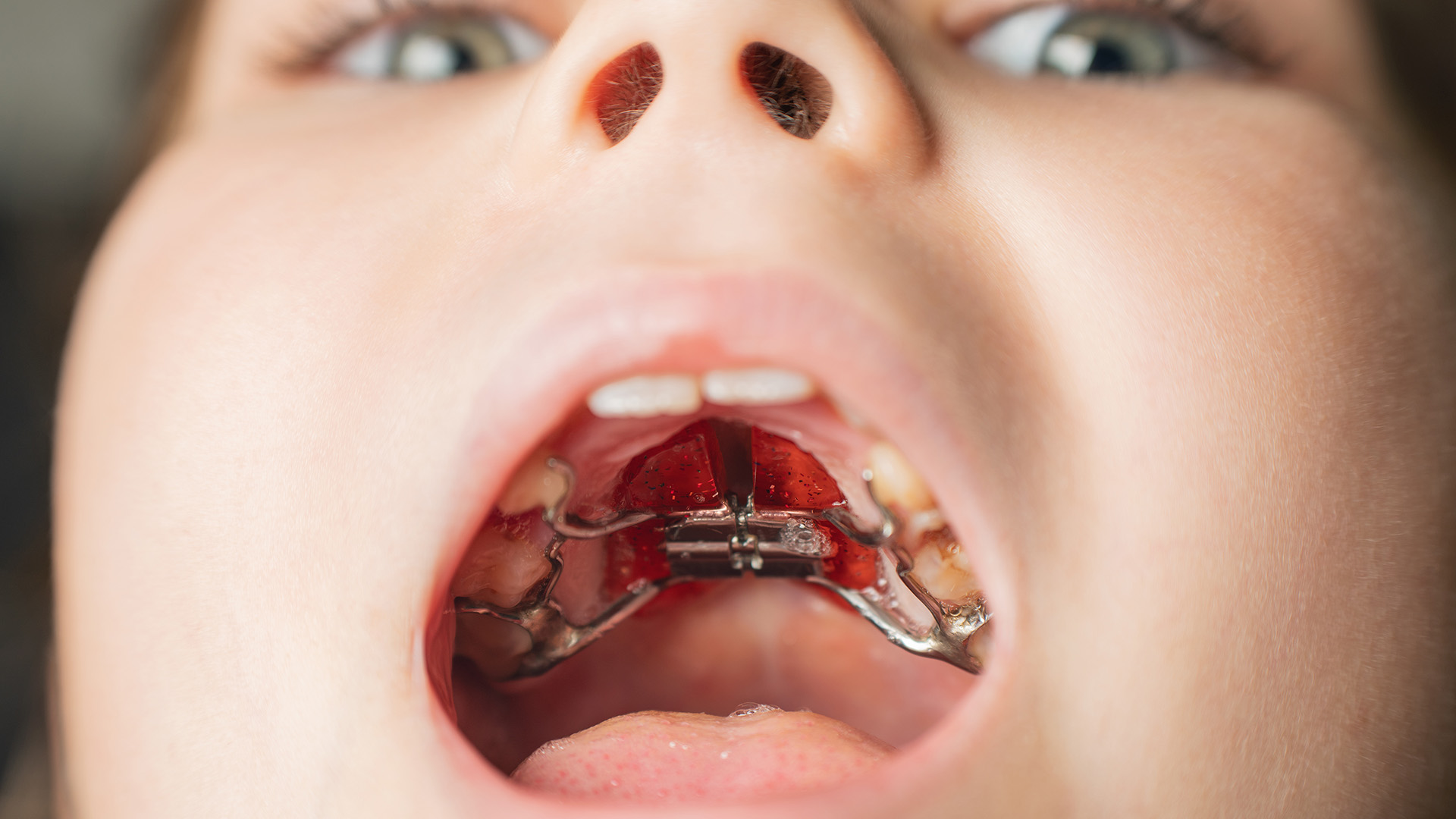
A palatal expander is an orthodontic appliance that widens the upper jaw to create space for teeth, improve the bite, and support healthy facial and airway development. If you have wondered what a palatal expander is, it is a type of orthodontic expander used most often in growing children, when the upper jaw can be guided to an ideal width for a balanced, comfortable smile. Orthodontic expanders are carefully designed to apply gentle, controlled forces that encourage the upper jaw to broaden over time.
Overview: What a Palatal Expander Does
This small device fits along the roof of the mouth and applies gentle, controlled pressure to gradually widen the upper jaw. The primary goal is to correct a narrow palate so the upper and lower teeth fit together properly and there is enough room for permanent teeth to emerge in better alignment. Put simply, it is a proven orthodontic expander that helps create space and balance in a developing bite.
Widening the palate can improve several aspects of oral health. A broader upper arch reduces crowding and may lessen the need for future tooth extractions. It can correct crossbites, where the upper teeth bite inside the lower teeth. In some patients, expansion can also increase nasal passage width, which may enhance airflow and support better breathing and sleep. For growing children, these changes can guide balanced facial growth.
Palatal expansion is most commonly recommended between ages 7 and 12, when the midpalatal suture responds well to orthopedic forces. Some teens may still be good candidates, though treatment is generally more efficient before puberty. Adults can sometimes benefit from expansion with specialized techniques or in combination with surgery, depending on individual anatomy and goals.
Types and How Palatal Expanders Work
Most expanders are fixed appliances bonded to the upper molars with bands or tooth-colored attachments. Common designs include:
- Hyrax expander: a sturdy metal framework with a central screw.
- Haas expander: similar to Hyrax but with acrylic pads resting on the palate in addition to a screw.
- Fan-type expander: focused on widening primarily in the front portion of the palate.
Removable styles exist but are used selectively because they require excellent patient cooperation. Core components typically include bands or bonded pads on the teeth, a central expansion screw, and connecting arms that deliver gentle force to the palate. These orthodontic expanders are engineered to distribute pressure evenly and safely to encourage gradual change.
The process is straightforward. After fitting the expander, you will receive instructions on how to activate the screw at home with a small key. Turning the screw as prescribed gently separates the right and left halves of the upper jaw along the midpalatal suture. Each turn creates a tiny change, and the cumulative effect over days and weeks results in gradual widening. Your orthodontist will specify how many turns and how often to activate the screw based on your child’s needs.
As activation continues, pressure is applied to the suture between the two halves of the palate. In growing patients, this suture can open slightly, and new bone forms in the space, stabilizing the new width. Teeth may tip a small amount early on, but the objective is skeletal expansion, widening the jawbone, so teeth can then align more easily with braces or clear aligners. A palatal expander is one of the most widely used orthodontic expanders for accomplishing this skeletal change efficiently in young patients.
Treatment Details, Timeline, and What to Expect
Treatment begins with records and a fitting appointment. The expander is custom-made using impressions or a digital scan. Once placed, an activation phase typically lasts 1 to 3 weeks, during which you or your child will turn the screw as directed (often once or twice per day). After reaching the target width, the appliance remains in place for a retention phase, usually 3 to 6 months, so new bone can solidify and prevent relapse. Braces or aligners may follow to align teeth and fine-tune the bite.
Daily life with a palatal expander involves a brief adjustment period. Soft foods are helpful for the first few days. Very sticky or hard foods should be avoided because they can loosen the appliance. Temporary changes may include a sense of pressure across the palate, increased saliva, and mild speech adjustments; these usually improve within a week.
Good oral hygiene is essential. Brush carefully around the bands and screw area, and use a floss threader or water flosser to clean under wires. Rinsing with water after meals helps clear food from the appliance. When turning the screw, insert the key fully, rotate in the direction shown by your orthodontist until the next hole appears, then remove the key to complete a full turn.
Signs of progress may include a small temporary space between the front teeth (a diastema), which is normal and often closes naturally as treatment continues. You may also notice a better fit of the back teeth and, for some patients, easier nasal breathing. Follow-up visits allow the clinician to monitor expansion and make any needed adjustments. Contact the office promptly if you notice a loose band, bent wire, persistent pain, or difficulty completing the turns.
Risks, Benefits, Aftercare, and Candidate Assessment
Benefits of palatal expansion include creating space to reduce crowding, correcting crossbites for a healthier bite, and potentially improving airway dimensions, which may support better breathing and sleep in some patients. Early expansion can also guide jaw growth for more balanced facial development and may simplify or shorten later orthodontic treatment. So, what is a palatal expander? It is helpful to know that this orthodontic expander can be an effective preventative step that supports long-term oral health.
Common, temporary side effects include pressure or mild soreness, slight speech changes, excess saliva, and irritation of the tongue or cheeks. Less common issues include gum inflammation if hygiene is inadequate, loosening of bands, or unwanted tooth tipping if instructions are not followed. In older teens or adults, skeletal resistance may limit the amount of change without additional techniques, and, rarely, soft tissue irritation or ulcers can occur where the appliance contacts the mouth.
Aftercare supports comfort and success:
- Brush thoroughly around bands and the screw; consider a fluoride rinse if recommended.
- Use orthodontic wax to cushion sharp edges.
- Take over-the-counter pain relievers as advised for initial discomfort.
- Rinse after meals; use an interdental brush or water flosser to remove trapped food.
- Do not force turns, if the key will not engage or the next hole is not visible, stop and call the office.
- Avoid very sticky, chewy, or hard foods that can dislodge the appliance.
Candidacy is determined through a comprehensive evaluation, including photographs, digital scans or impressions, and X-rays to assess jaw width, the midpalatal suture, crowding, and bite relationships. Age, growth stage, and breathing history also inform the decision. If a palatal expander is not the best option, alternatives may include limited enamel reshaping (interproximal reduction), arch development with braces or aligners, extractions when indicated, temporary anchorage devices, or surgically assisted expansion for mature patients. Orthodontic expanders of various designs may be considered based on anatomy and goals, ensuring the plan is tailored to each patient’s needs.