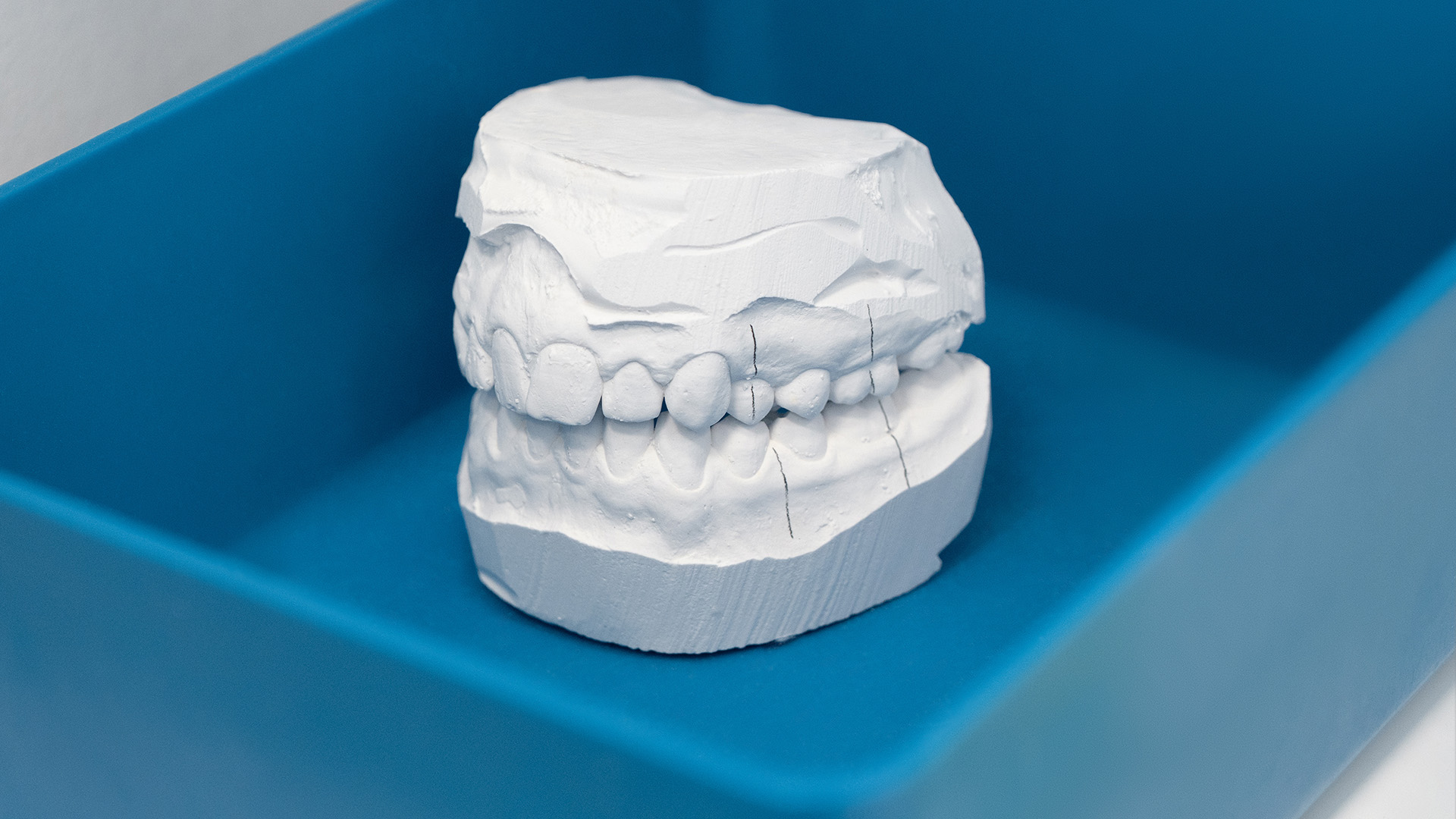
Braces can improve jaw alignment in adults, but the extent depends on whether the problem is primarily dental (tooth position) or skeletal (jaw structure). Orthodontic treatment repositions teeth to create a healthier bite and can influence how the upper and lower jaws relate to each other. For adults with significant jaw discrepancies, combining braces with therapies such as elastics, temporary anchorage devices, or jaw surgery often provides the most stable, long-term results. This guide outlines how braces work, when they can correct jaw alignment on their own, and what options are available when skeletal differences are involved. Many readers ask can braces fix jaw alignment in adults and whether braces move your jaw; the answers depend on diagnosis and goals. For many cases, braces for malocclusion provide meaningful improvement, and in others, additional measures are needed.
Understanding Jaw Alignment and Why It Matters
Jaw alignment describes how the upper and lower jaws fit together when you bite. It helps to separate dental alignment from skeletal alignment. Dental alignment focuses on the position and angulation of teeth within each jaw. Skeletal alignment refers to the size, position, and relationship of the jawbones themselves. Many adults present with a mix of dental and skeletal factors that contribute to their bite. When asking can braces fix jaw alignment in adults, it is essential to determine how much of the problem is dental versus skeletal because braces for malocclusion primarily address tooth position, while skeletal issues often require additional intervention.
Common types of jaw misalignment include:
- Overbite: the upper teeth and/or jaw sit too far forward.
- Underbite: the lower jaw sits ahead of the upper jaw.
- Crossbite: upper teeth bite inside the lower teeth on one or both sides.
- Open bite: the front teeth do not touch when the back teeth are together.
- Facial asymmetry: one side of the jaw differs in size or position from the other.
These patterns may be dental, skeletal, or a combination. Left untreated, misalignment can impact health, function, and appearance. Functionally, it can make chewing less efficient and increase wear on specific teeth. Speech may be affected in cases like open bite or significant overjet. Some adults experience jaw joint (TMJ) symptoms, muscle fatigue, or headaches related to malocclusion. Over time, imbalanced forces may contribute to enamel wear, gum recession, and cracked or failing restorations. Aesthetically, jaw alignment influences facial profile and smile harmony, which can affect self-confidence.
How Braces and Orthodontics Influence Jaw Position
Braces and clear aligners move teeth using controlled forces, which changes how the upper and lower arches meet. Aligning teeth, correcting rotations, and coordinating arch width and shape can improve bite relationships and, in some cases, reduce the appearance of jaw misalignment. Aligners can stage movements such as expansion, intrusion, and extrusion, while braces enable precise control through brackets, wires, and customized bends. Patients often ask if braces move your jaw; in adults, braces mainly move teeth, which can indirectly influence how the jaws relate when biting.
In many adult cases, strategic tooth movements indirectly improve jaw alignment. Decompensation, for example, moves teeth back to their ideal positions within each jaw, restoring a more natural relationship between the arches. Leveling the arches can reduce functional shifts that mimic asymmetry. Intruding or extruding select teeth can help close an open bite or fine-tune overbite. These changes can significantly enhance function and comfort without altering the underlying jawbone. For individuals comparing options, braces for malocclusion can achieve these dental corrections, and understanding whether braces move your jaw directly helps set realistic expectations.
Adjunct tools expand what orthodontics can accomplish:
- Elastics (rubber bands) connect upper and lower teeth to guide bite relationships.
- Temporary anchorage devices (TADs) provide stable anchors for movements not possible with braces alone.
- Palatal expanders and other appliances can widen arches or modify dental relationships; while true skeletal expansion is limited in adults, carefully planned dental expansion can still improve arch coordination and correct crossbites.
Limitations of Braces for Skeletal Jaw Problems
When a bite problem stems mainly from skeletal differences, such as a significantly small upper jaw, a prominent lower jaw, or a vertical growth pattern, braces alone may not fully correct the issue. Orthodontics can align teeth and improve the bite, but it cannot reposition adult jawbones to the degree possible in growing patients. This is central to the question: can braces fix jaw alignment in adults, because the answer for severe skeletal differences often involves a combined approach rather than relying on braces for malocclusion alone.
There are signs that braces alone may not address the full concern:
- Severe underbites or overbites.
- Noticeable facial asymmetry.
- Persistent open bites.
- Airway-related concerns, such as chronic mouth breathing or obstructive sleep symptoms.
In these situations, braces or aligners can optimize the bite and prepare the teeth, but additional measures may be required for a balanced, durable result. In adults, the jaws have completed growth, limiting non-surgical skeletal change. While modern orthodontics can provide remarkable dental corrections and cosmetic improvements, expectations should reflect the biological limits of adult bone. For significant skeletal discrepancies, combining orthodontic treatment with orthognathic (jaw) surgery is often recommended to achieve optimal alignment, airway health, and facial balance.
Treatment Options for Adults with Jaw Misalignment
Non-surgical strategies, often referred to as orthodontic camouflage, focus on moving teeth to reduce the functional and aesthetic impact of skeletal discrepancies. This may involve aligning and coordinating arches, planned dental expansion, and bite-focused movements such as intruding or extruding certain teeth. In select adult cases, expanders can be used to achieve dental widening and improve crossbites, though true skeletal expansion without surgery is limited. These approaches can meaningfully improve comfort, function, and appearance for mild to moderate discrepancies. For many wondering can braces fix jaw alignment in adults without surgery, these camouflage methods, delivered as braces for malocclusion or aligners, can provide pragmatic benefits.
For more pronounced skeletal issues, a combined approach, orthodontics plus orthognathic surgery, provides comprehensive correction. The goals are to align the jaws in three dimensions, establish a stable functional bite, and enhance facial balance and airway. Treatment typically includes:
- Pre-surgical orthodontics to decompensate and align the teeth.
- Surgery to reposition one or both jaws.
- Post-surgical orthodontics to refine the bite and finalize occlusion.
Candidacy is based on clinical findings, imaging, overall health, and personal goals. Many adults choose this path when they want the most predictable and stable correction for significant malocclusion and jaw imbalance. For such cases, do braces move your jaw directly is less the focus; instead, braces coordinate the teeth while surgery repositions the jaws for optimal harmony.
Complementary therapies can support outcomes. TMJ management, including bite splints, physical therapy, and habit modification, may be integrated before or during orthodontic care for patients with joint symptoms. Restorative dentistry can rebuild worn teeth or fine-tune tooth shape to harmonize the bite after alignment. Collaboration among an orthodontist, oral and maxillofacial surgeon, restorative dentist, and, when needed, a physical or speech therapist helps ensure a personalized plan.
What to Expect: Assessment, Timeline, and Outcomes
A comprehensive evaluation is the first step. Your orthodontist will perform a clinical exam, assess jaw function and range of motion, and review your dental and medical history. Diagnostic records typically include photos, dental impressions or digital scans to create models, X-rays, and often 3D imaging to evaluate jaw joints, airway, and skeletal relationships. Functional assessments, how your bite contacts, whether there are shifts, and TMJ status, guide the plan. This information helps answer commonly searched questions such as can braces fix jaw alignment in adults and informs whether braces for malocclusion or combined care is best.
Timelines vary with complexity and goals:
- Braces or aligners addressing dental issues often take 12 to 24 months.
- Adjuncts like elastics or TADs can add precision without significantly extending time.
- Combined orthodontic and surgical cases typically involve 9 to 18 months of pre-surgical alignment, followed by surgery and a shorter phase of post-surgical detailing. Total treatment commonly ranges from 18 to 30 months, influenced by bone biology, adherence to elastics or aligner wear, appointment cadence, and overall oral health.
Expected outcomes depend on diagnosis and chosen approach. Braces can improve bite function, reduce tooth wear, and enhance facial aesthetics. Potential risks include temporary discomfort, rare root resorption, gum irritation, and relapse if retainers are not worn as directed. Surgical patients should consider typical surgical risks, recovery timelines, and temporary diet or speech changes during healing. Understanding do braces move your jaw versus primarily moving teeth can help set expectations and improve satisfaction with results.
Helpful questions to discuss with your orthodontic team include:
- What portion of my issue is dental versus skeletal?
- Will braces or aligners alone meet my goals?
- If surgery is recommended, what are the benefits and alternatives?
- How long will treatment take, and what maintenance is required afterward?
With a tailored plan and consistent follow-up, adults can achieve meaningful, lasting improvements in jaw alignment and overall oral health. Whether pursuing braces for malocclusion alone or a combined surgical approach, a clear understanding of goals and limits ensures that the chosen pathway aligns with function, comfort, and aesthetics.