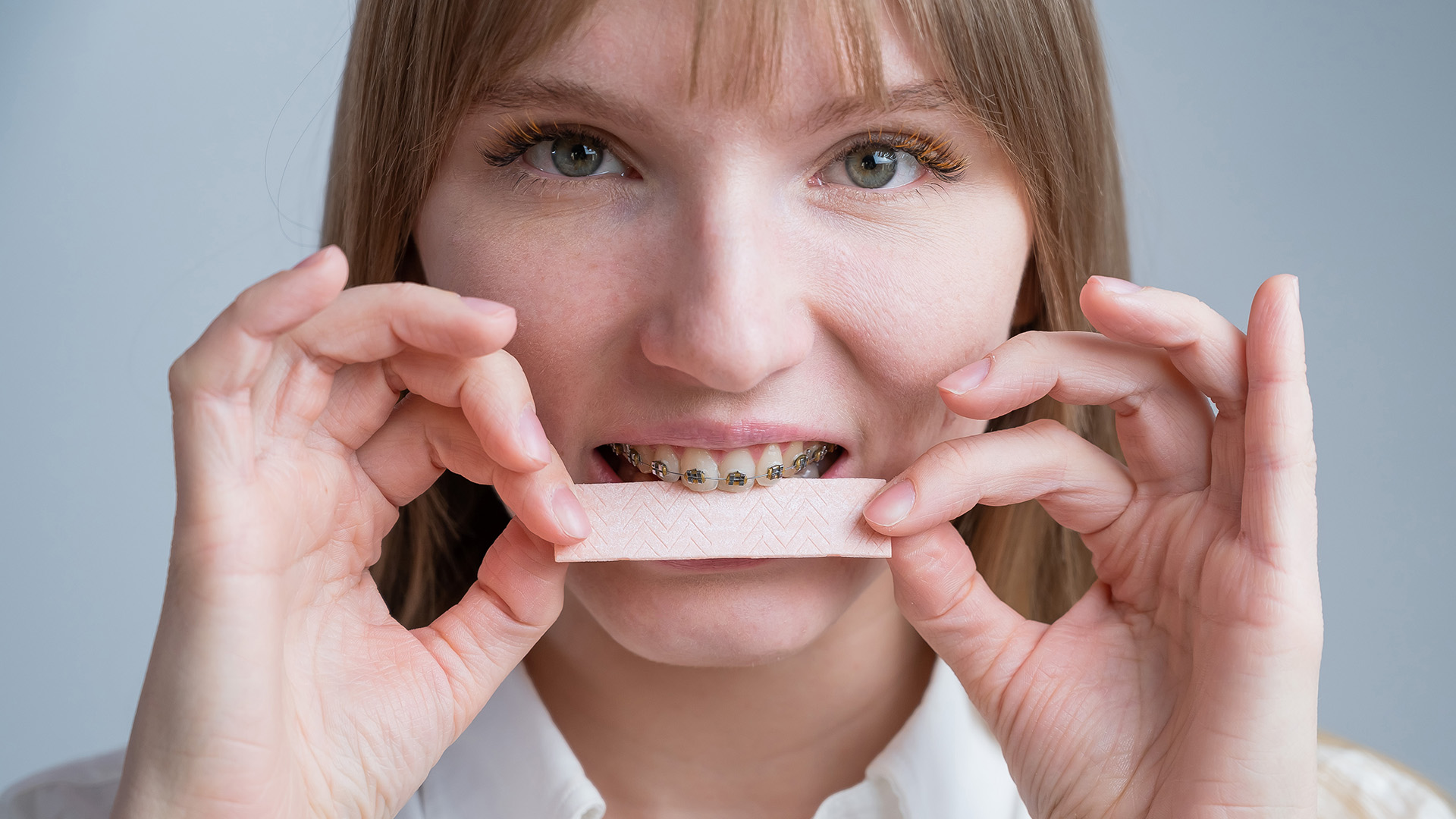
Chewing gum while wearing braces isn’t automatically off the table, but it does require smart choices and good habits. The type of gum, when you chew it, and how you care for your teeth all matter. With the right approach, you can enjoy gum without risking damage to your orthodontic appliances or delaying treatment. If you’re wondering, can you have gum with braces? The answer depends on the kind of gum and how you use it. Here’s what patients should know before reaching for a stick of gum.
How Gum Interacts with Braces
Braces rely on brackets bonded to the teeth, archwires that guide movement, and elastic ties or modules that hold components in place. These parts work together to gradually move teeth into alignment. Because the system is precise, anything sticky or overly tough can interfere with how braces function.
Gum can wrap around brackets and elastics, tug at wires, and even contribute to loosening a bracket or bending a wire. At the same time, certain sugar-free gums stimulate saliva, which helps neutralize acids, wash away food particles, and freshen breath. Many patients like gum to manage dry mouth or to feel cleaner after meals.
The bottom line: gum can offer benefits if you choose wisely and chew carefully. Understanding which types are safer and how to use them responsibly is key to protecting your braces and keeping treatment moving. This guidance is essential for anyone asking, can you have gum with braces, because the safest choice often depends on your specific appliance and stage of treatment.
What to Do If You Want to Chew Gum
- Choose sugar-free gum with xylitol: Xylitol can help limit cavity-causing bacteria and won’t feed plaque the way sugar does. Check the label and avoid products that list sugar among the first ingredients.
- Time it strategically: If you can’t brush after a meal, chewing gum briefly can boost saliva and help rinse away debris and acids. Stop once the gum feels overly sticky or stringy, and avoid long chewing sessions.
- Pause after adjustments: Skip gum right after getting braces placed and after adjustment appointments, when teeth are more tender and components are newly tightened.
- Keep oral hygiene strong: Brush twice daily with a soft-bristled toothbrush and fluoride toothpaste. Floss with an orthodontic threader or water flosser, and use an antimicrobial or fluoride rinse if recommended. Rinse thoroughly after chewing to remove any residue around brackets and wires.
What to Avoid to Protect Your Braces
- Skip sticky or hard varieties: Bubble gum, extra tacky gums, and products that become tough to remove can cling to brackets and elastics, increasing the chance of loosening a bracket or dislodging a wire.
- Don’t chew aggressively: Forceful chewing can bend archwires, pull off elastic ties, or break a bracket. Any change in wire shape can slow progress, cause discomfort, and may require an urgent visit for repair.
- Know when gum is off-limits: Avoid gum if you have power chains, springs, or other auxiliary appliances your orthodontist has asked you to protect. Skip gum after adjustments when teeth are sore, if a bracket is loose, or if gum has previously caused problems.
When in doubt, ask your orthodontist. They can assess whether gum is an appropriate choice for you. If you’re still asking, can you have gum with braces, personalized guidance will help you balance oral comfort with appliance safety.
Smart Alternatives to Chewing Gum
If gum isn’t the best choice for your situation, there are other ways to keep breath fresh and your mouth comfortable:
- Sugar-free mints with xylitol: These can help reduce bacteria and freshen breath without sticking to brackets.
- Alcohol-free mouthwash: Rinse after meals to reduce odor and help remove food particles around braces.
- Water rinse: Swishing water after eating is a simple way to dislodge debris and dilute acids.
Careful snacking can also support oral cleanliness:
- Braces-friendly fruits and vegetables: Choose apple slices cut into small pieces, cucumber, or other crisp produce that can help sweep away debris when chewed gently.
- Pair snacks with water: Drinking water while snacking enhances rinsing action and helps limit acidity and sugar exposure.
For dry mouth, focus on hydration and saliva support:
- Drink water frequently: Keep a water bottle handy and sip throughout the day.
- Humidify your environment: A bedside humidifier can improve nighttime comfort.
- Consider saliva substitutes or lozenges: Ask your dental team for recommendations suited to your needs.
- Healthy habits: Breathe through your nose, avoid tobacco and excessive alcohol, and maintain excellent oral hygiene to support a comfortable, healthy mouth.
Quick Reference: Gum and Braces
| Best Practices | Why It Helps |
| Choose sugar-free gum with xylitol | Limits plaque bacteria and reduces acid exposure |
| Chew briefly after meals when brushing isn’t possible | Stimulates saliva to rinse away debris and acids |
| Stop when gum gets sticky or stringy | Prevents wrapping around brackets and elastics |
| Maintain strong brushing and flossing routines | Removes residue, protects enamel, and supports treatment |
| Avoid sticky, hard, and extra tacky gums | Reduces risk of bent wires or loosened brackets |
| Skip gum after adjustments or with certain appliances | Protects sensitive teeth and delicate components |
When to Call Your Orthodontist
Contact your orthodontist if gum becomes embedded around brackets, a wire feels bent or out of place, a bracket loosens, or you experience new discomfort after chewing. Early attention can prevent delays in treatment and keep your smile progressing as planned.
If you’re unsure whether chewing gum is appropriate for your current stage, ask a professional. They’ll assess your appliances, discuss your habits, and recommend the safest options for keeping your mouth fresh and comfortable while protecting your braces. For anyone still wondering, can you have gum with braces, remember that careful selection, brief chewing, and excellent hygiene make the biggest difference.