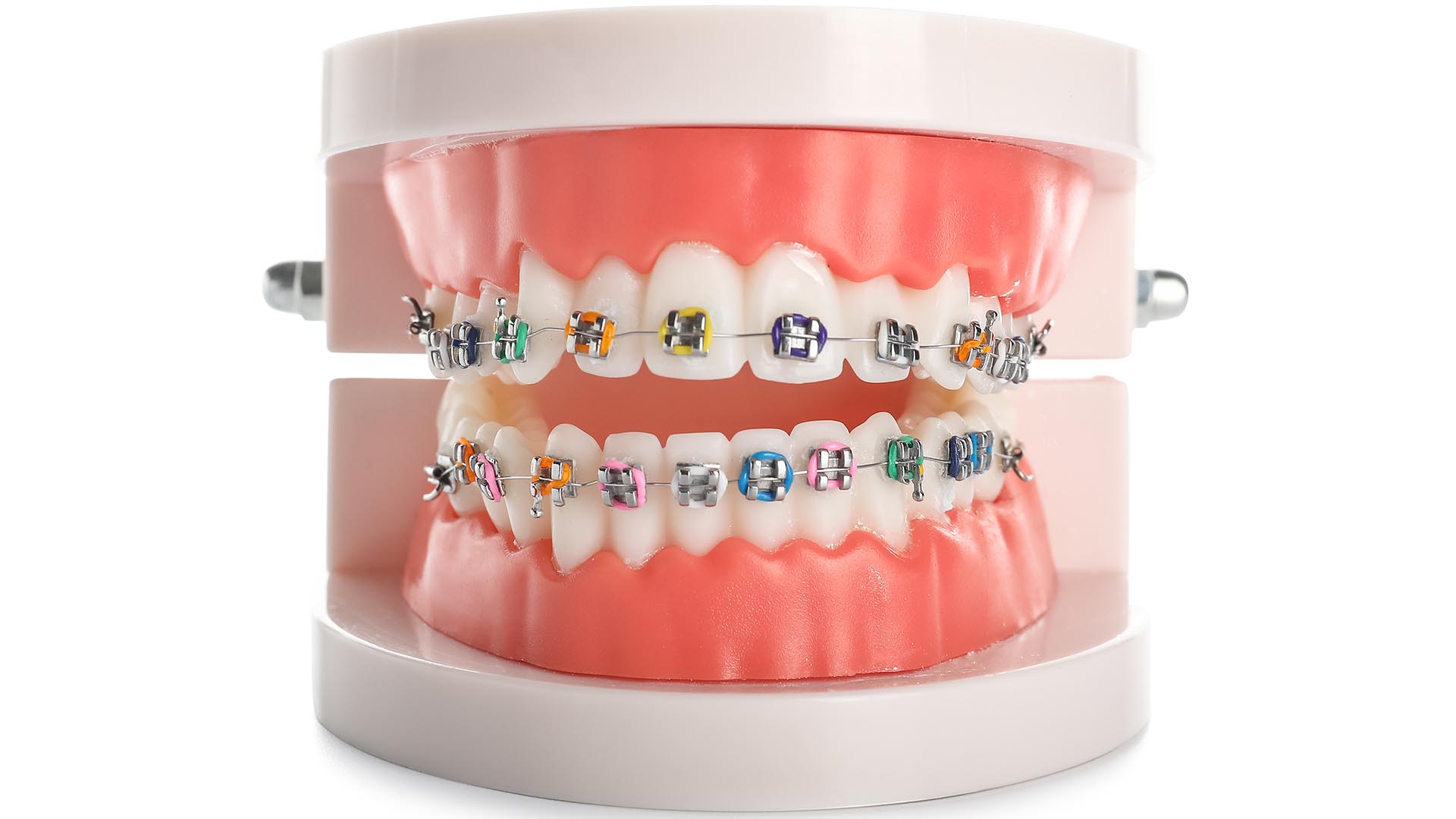
Yes. Many people who have periodontal disease can move forward with braces, but only after their gum health is brought under control. Active infection must be treated and stable before any tooth movement begins. With a coordinated plan between an orthodontist and a periodontist, it’s often possible to improve your bite and smile without compromising the gums and supporting bone. If you are wondering if you can get braces with periodontal disease, the answer is often yes with proper preparation and monitoring.
What Is Periodontal Disease?
Periodontal disease is an infection and inflammation of the tissues that support your teeth, including the gums, periodontal ligament, and bone. It typically progresses through stages:
- Gingivitis: gum inflammation without bone loss
- Early periodontitis: initial bone loss and bleeding
- Moderate periodontitis: deeper pockets and possible tooth mobility
- Advanced periodontitis: significant bone loss, mobility, and risk of tooth loss
Signs and symptoms can include red, swollen, or tender gums; bleeding with brushing or flossing; persistent bad breath; receding gums; tooth sensitivity; and changes in how your teeth fit together. Common risk factors are inadequate oral hygiene, smoking, diabetes, family history, medications that reduce saliva, stress, and poorly fitting dental work.
Early diagnosis matters because damage can occur quietly and become difficult to reverse. Treatment may include professional cleanings, scaling and root planing, targeted antimicrobial therapy, lifestyle changes such as quitting smoking, and upgraded home-care routines. Achieving and maintaining stability is the prerequisite for safe orthodontic treatment for anyone asking if you can get braces with periodontal disease.
How Braces Affect Gum Health
Orthodontic appliances add surfaces where plaque can collect, which means your cleaning routine must be thorough. The upside is that gently aligning teeth can make them easier to clean long term, reducing areas where plaque and tartar tend to accumulate.
For patients with a history of gum disease, the care plan should anticipate and reduce risks such as gum inflammation with braces, deeper pockets when plaque control is poor, recession in thin gum tissues, and in rare cases additional bone loss if forces are too heavy. Because of this, orthodontic care for periodontally involved teeth typically uses lighter forces, slower movement, and closer monitoring.
Today’s tools can support better hygiene and comfort. Options may include low-profile brackets, custom-shaped wires to reduce irritation, and in appropriate cases, removable clear aligners that allow easier brushing and flossing. Interdental brushes, water flossers, floss threaders, and prescription antimicrobial rinses can help keep plaque in check around brackets and along the gumline. Extra attention to cleaning helps limit gum inflammation with braces during the course of treatment.
Team-Based Evaluation and Planning
A comprehensive dental evaluation is the first step. Before braces, your providers will confirm that periodontal disease has been treated and is stable. This typically involves full periodontal charting, radiographs to assess bone levels, evaluation of tooth mobility and gum recession, and a review of medical factors such as diabetes control and smoking status.
During a joint consultation, the periodontist focuses on diagnosing and stabilizing the gums and bone, while the orthodontist plans tooth movement that respects the condition of the supporting tissues. You’ll discuss treatment sequencing (periodontal therapy first, orthodontics second), appliance options suitable for your gums, estimated timelines, and how often you’ll need hygiene visits. Many patients benefit from periodontal maintenance cleanings every 8 to 12 weeks during orthodontic care.
Consider asking your care team:
- Is my periodontal health currently stable enough for braces?
- Which orthodontic option is best for my gums (traditional brackets or clear aligners)?
- What force levels and timeline will you use to protect bone and gum tissues?
- How often will I need periodontal maintenance during treatment?
- What signs should I watch for that might indicate a gum flare-up?
- How will communication be coordinated among my orthodontist, periodontist, and general dentist?
Oral Hygiene During Orthodontic Treatment
Excellent daily care is essential for anyone with a history of gum disease. Aim to brush at least twice daily with a soft-bristled or powered toothbrush. Angle the bristles at 45 degrees toward the gumline and around brackets, and brush for a full two minutes. Clean between teeth and under the archwire every day using floss threaders or orthodontic floss, interdental brushes, or a water flosser. Finish with a fluoride toothpaste and, if prescribed, an antimicrobial rinse to lower bacterial levels.
Helpful products include:
- An electric toothbrush with an orthodontic head
- Interdental brushes sized to fit around brackets and between teeth
- Waxed floss or super floss with stiff ends for threading
- A water flosser for use around brackets and along the gumline
- Fluoride toothpaste (1,000 to 1,500 ppm)
- Prescription antimicrobial rinse when recommended
Regular follow-up helps keep treatment safe and predictable. Expect routine orthodontic visits for adjustments and increased periodontal maintenance, often every 2 to 3 months, to manage plaque and monitor pocket depths. Contact your providers promptly if you notice persistent bleeding, swelling, sensitivity, or tooth mobility. With stable gums, diligent home care, and coordinated professional support, most patients with periodontal disease can successfully complete orthodontic treatment without significant gum inflammation with braces.
Who Is a Good Candidate for Braces with Gum Disease?
| Candidate Factor | What Your Team Looks For |
| Stability | No active infection, controlled inflammation, and maintained pocket depths |
| Bone Support | Adequate bone levels on radiographs to support planned tooth movement |
| Home Care | Commitment to meticulous brushing and interdental cleaning |
| Medical Factors | Well-controlled diabetes, non-smoking or smoking cessation, and good overall health |
| Follow-Up | Willingness to attend frequent periodontal maintenance and orthodontic visits |
Key Takeaways
- Braces are possible for many patients with periodontal disease once gum health is stable.
- Lighter forces, slower tooth movement, and frequent monitoring help protect the gums and bone.
- Daily, thorough plaque control and scheduled periodontal maintenance are non-negotiable.
- Close coordination between your orthodontist, periodontist, and general dentist supports safe, successful outcomes.
If you have a history of gum disease and are considering braces, schedule a consultation. A personalized plan can help you achieve a healthier bite and a confident smile, safely. For anyone asking if you can get braces with periodontal disease, a team-based approach and vigilant hygiene are the keys to success.