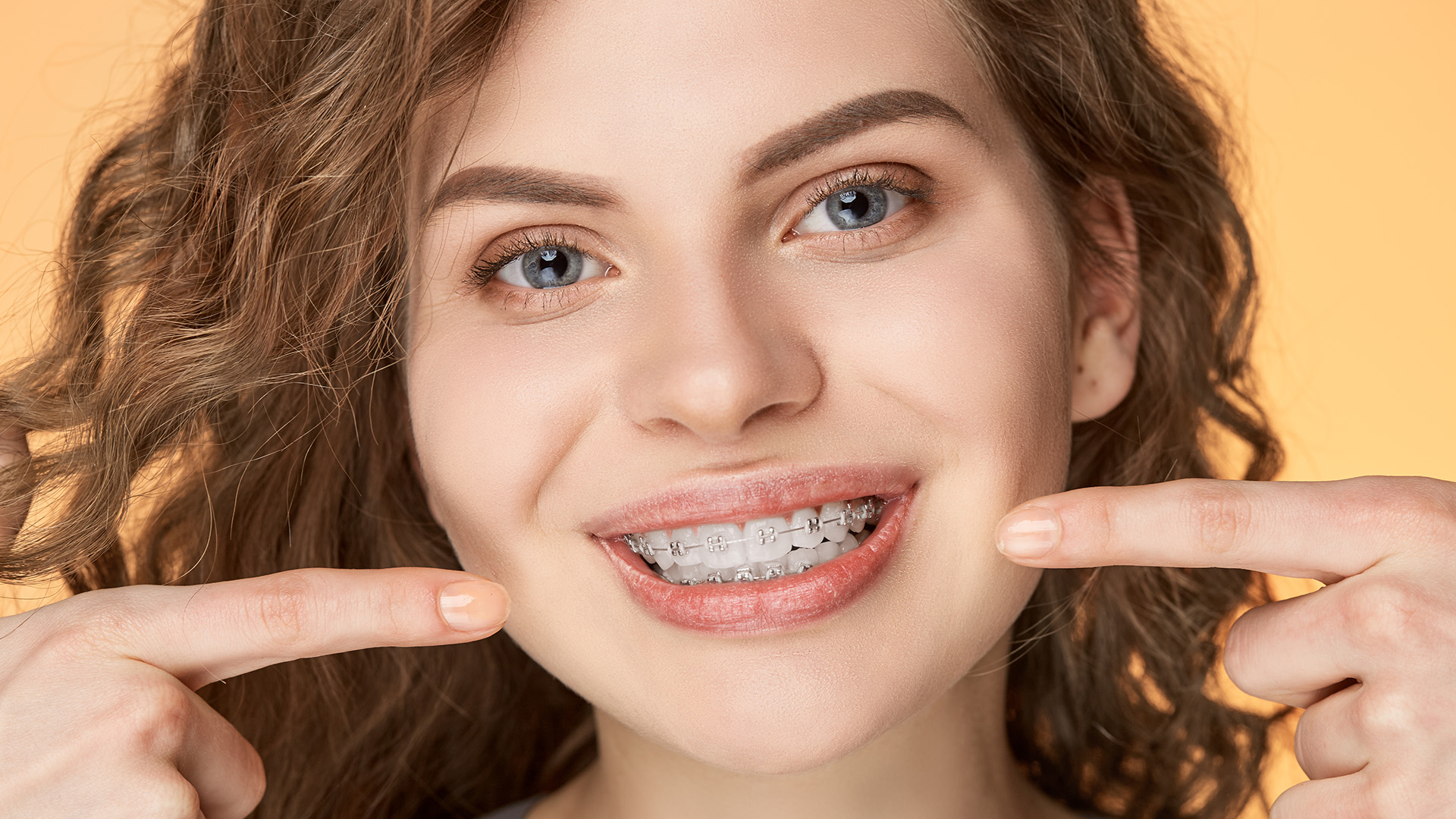
Ceramic braces give adults a discreet, effective way to straighten teeth without the more noticeable look of traditional metal braces. This guide covers how ceramic braces work, key benefits and considerations, and how to begin treatment with an orthodontic team. For many patients, ceramic braces for adults are a practical balance of aesthetics and performance, often referred to as white braces because they blend with natural tooth shades.
What Are Ceramic Braces?
Ceramic braces are fixed orthodontic appliances that use clear or tooth-colored ceramic brackets bonded to the front of the teeth. A thin archwire connects the brackets to apply gentle, controlled forces that gradually move teeth into better alignment. Because the ceramic material blends with your natural tooth shade, the braces are less visible in day-to-day life. Many people describe them as white braces due to their camouflaging appearance.
Unlike braces that rely on stainless steel brackets, ceramic systems use durable alumina-based ceramics that are polished for a smooth feel and designed to resist staining. Many adults choose ceramic braces because they combine the reliability and precision of braces with a more subtle appearance. Your archwire may be traditional metal or coated in a tooth-colored finish to further reduce visibility. Ceramic braces for adults are particularly appealing in professional or social settings where a low-profile look matters.
Placement is straightforward and typically takes 60 to 90 minutes. Your orthodontist will clean and dry your teeth, apply a bonding agent, position the ceramic brackets, and secure them with the archwire and either elastic ties or clips. You can return to normal activities right away. Mild soreness for a day or two is common as teeth begin to shift.
Benefits of Ceramic Braces for Adults
Ceramic braces are popular among adults seeking effective treatment with a lower-profile look, particularly for professional settings, social events, and photos. The tooth-colored brackets help your braces blend into your smile, which can boost confidence throughout treatment. When people refer to white braces, they often mean ceramic options that closely match tooth color.
Comfort is another advantage. Ceramic brackets are carefully contoured and polished to feel smooth against your lips and cheeks. Although any fixed braces can cause temporary irritation at first, many adults report that ceramic brackets feel comfortable once they adjust.
In terms of performance, ceramic braces can treat a wide range of orthodontic concerns, including crowding, spacing, overbites, underbites, crossbites, and rotated teeth. Because brackets are bonded directly to each tooth, your orthodontist has precise control over movement. For complex cases that may not be ideal for clear aligners, ceramic braces often provide a dependable, discreet solution. Ceramic braces for adults offer the control needed for detailed tooth movements while maintaining a more refined appearance.
Considerations Before Choosing Ceramic Braces
For most adults, treatment time with ceramic braces is similar to metal braces, typically 12 to 24 months depending on case complexity and how consistently you follow your orthodontist’s recommendations. More complex cases may require additional time, which your orthodontist will discuss during your consultation.
While ceramic brackets are highly stain resistant, the clear elastic ties used in some systems can absorb color from certain foods and beverages such as coffee, tea, red wine, and curry. To keep your braces looking their best:
- Brush after meals and rinse with water if brushing isn’t possible.
- Limit deeply pigmented foods and beverages when you can.
- Use a straw for drinks that could stain.
- Keep up with professional cleanings and regular tie changes at adjustment visits.
If you grind your teeth or participate in contact sports, your orthodontist may recommend a mouthguard to protect your braces and teeth. Following home care instructions and attending scheduled appointments help maintain comfort and treatment progress.
Ceramic braces generally cost more than traditional metal braces due to the materials and technique involved. Many dental insurance plans include orthodontic benefits for adults, but coverage varies. Check your plan for lifetime orthodontic maximums, waiting periods, and in-network benefits. Most practices offer flexible financing, monthly payment plans, and options to use Health Savings Accounts (HSA) or Flexible Spending Accounts (FSA) to help manage costs. These factors apply whether you call them ceramic braces for adults or white braces; the materials and appointment schedule typically determine overall cost.
How Ceramic Braces Compare
| Feature | Ceramic Braces | Metal Braces | Clear Aligners |
| Visibility | Tooth-colored brackets blend with teeth (often called white braces) | Most noticeable option | Nearly invisible when worn |
| Effectiveness | Excellent for mild to complex cases | Excellent for all case types | Best for mild to moderate cases |
| Comfort | Smooth, contoured brackets | Small, low-profile brackets | Removable trays; no brackets |
| Care | Brush after meals; monitor tie discoloration | Brush after meals | Wear 20–22 hours/day; clean trays |
| Cost | Typically higher than metal | Usually the most affordable | Varies; often comparable to ceramic |
Getting Started with Ceramic Braces
Your initial consultation typically includes a clinical exam, digital scans or impressions, photos, and X-rays. Your orthodontist will evaluate your bite, discuss your goals, and explain whether ceramic braces are a good fit for your needs. You will receive a personalized treatment plan, an estimated timeline, and a clear breakdown of costs and any available insurance benefits.
Consider bringing a list of questions to your visit, such as:
- Are ceramic braces the best option for my orthodontic concerns?
- How does my timeline compare to metal braces or clear aligners?
- What type of archwire and ties will be used, and how often are they changed?
- How can I prevent staining and reduce irritation?
- What is the total cost, what does insurance cover, and what financing options are available?
- How frequently will I need adjustments, and what should I expect after each visit?
After active treatment, you will transition to retainers to maintain your new smile. Your orthodontist will recommend fixed or removable retainers based on your case. Wear them as directed, maintain good oral hygiene, and schedule follow-ups to monitor long-term stability. With consistent retainer use and routine dental care, your results can last for many years.
Is Ceramic Right for You?
If you want the precision of braces with a more discreet look, ceramic braces are a strong option. They provide reliable results for a wide variety of cases and are designed to blend seamlessly with your smile. A consultation can help you compare choices, understand costs and timelines, and build a plan that fits your lifestyle. Whether you think of them as ceramic braces for adults or white braces, the goal is the same: a confident, well-aligned smile with treatment that fits your daily life.