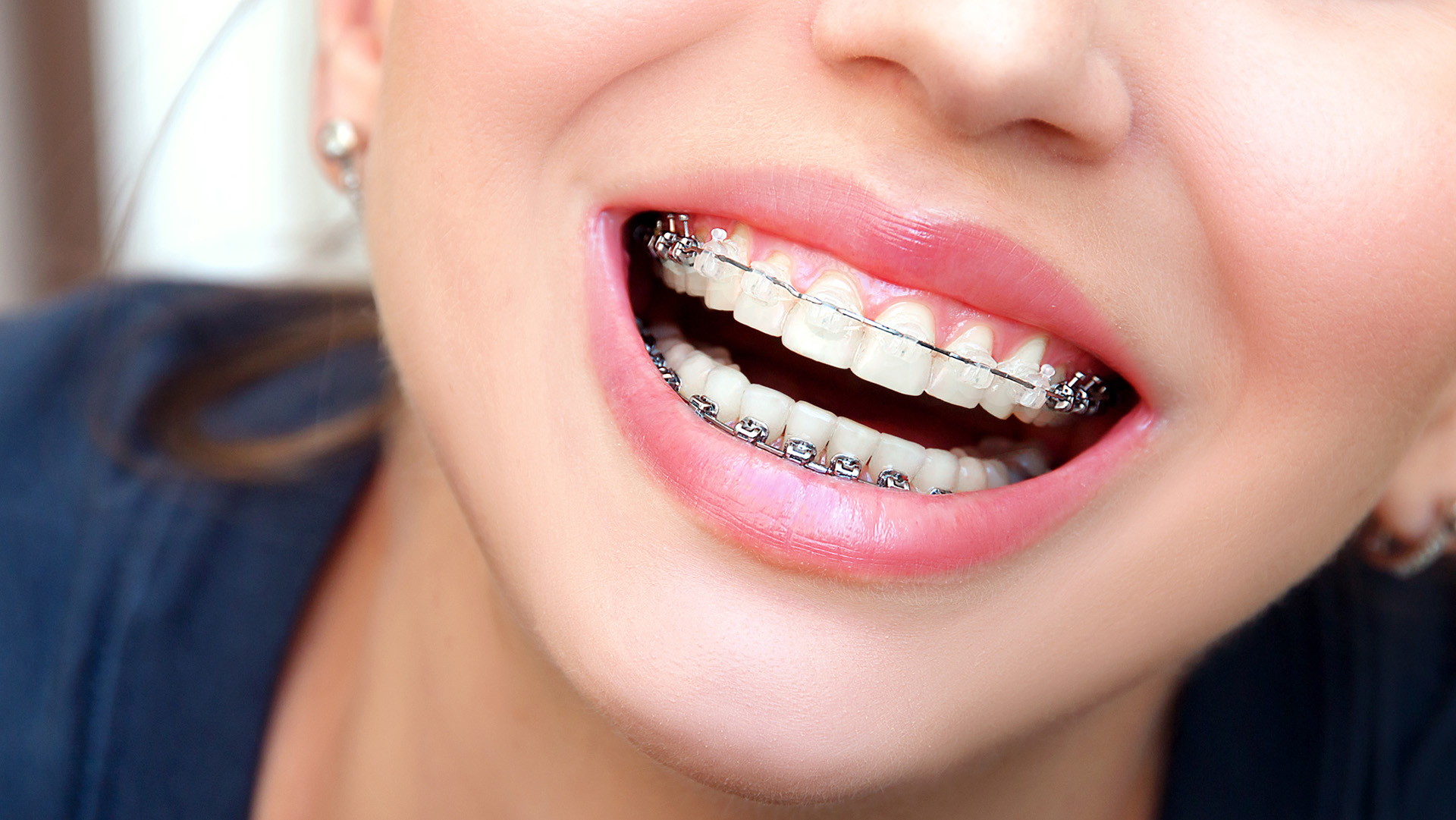
Clear ceramic braces deliver the proven effectiveness of traditional braces with a more discreet appearance. Made from advanced ceramic materials that blend with your natural tooth color, they are a popular choice for patients who want comprehensive orthodontic correction without drawing attention during treatment. Below, learn how clear ceramic braces work, their advantages, the pros and cons of ceramic braces, who they suit best, and what to expect for costs and timelines.
What Are Clear Ceramic Braces?
Clear ceramic braces are fixed orthodontic appliances that use tooth-colored or translucent ceramic brackets to move teeth into better alignment. These brackets are bonded to the front surface of the teeth and connected by an archwire. Your orthodontist periodically adjusts the wire to guide tooth movement over time.
Unlike metal braces with stainless steel brackets, ceramic braces are designed to be less noticeable. The brackets can be paired with clear or tooth-colored elastics and, in some cases, an aesthetic-coated archwire to reduce visibility. While both systems apply steady, controlled forces, ceramic braces emphasize appearance while providing reliable performance in many cases. This ceramic versus metal braces comparison often comes down to visibility and personal preference.
Modern ceramic brackets are engineered from high-strength alumina-based materials for toughness and translucency. They are finely polished to help reduce friction with the archwire and contoured for comfort. Adhesives are formulated to keep brackets secure while allowing safe removal at the end of treatment. Many systems feature low-profile designs to minimize irritation to cheeks and lips.
Advantages of Clear Ceramic Braces
- Discreet look: Tooth-colored or clear brackets blend with your smile in photos, at school, or in professional settings, making them a popular alternative to metal when a subtle appearance is a priority.
- Comprehensive correction: For patients who are not candidates for clear aligners or prefer a fixed solution, clear ceramic braces provide full control of tooth movement for mild to complex needs.
- Comfort-focused design: Today’s brackets feature smooth, rounded edges and low profiles to reduce cheek and lip irritation. Adjustments are planned to deliver steady, gentle forces, which many patients find manageable after the initial visits.
- Stain resistance with good care: Ceramic materials are strong and resist discoloration when paired with consistent oral hygiene. Following dietary guidelines and regular dental checkups supports long-term performance.
While metal brackets are typically more resistant to high-impact forces and may offer slightly lower friction in certain mechanics, ceramic braces hold up well in everyday wear. Patients who avoid very hard or sticky foods and keep appointments on schedule generally experience smooth, dependable treatment. Considering the pros and cons of ceramic braces helps set expectations and guides informed choices.
Ceramic Versus Metal Braces: Pros and Cons
| Topic | Ceramic Braces | Metal Braces |
| Appearance | Less visible; clear or tooth-colored brackets blend with teeth. | More noticeable due to metallic sheen. |
| Durability | Strong for everyday wear; brackets can chip if subjected to high forces. | Generally the most durable option for heavy bite forces. |
| Friction and efficiency | Modern designs reduce friction; may be slightly higher in some mechanics. | Often marginally lower friction, which can benefit certain movements. |
| Comfort | Low-profile, smooth edges for comfort. | Also low-profile in modern systems; comfort varies by individual. |
| Stain potential | Brackets resist staining; elastics can discolor and are replaced regularly. | Staining less noticeable on brackets; elastics still can discolor. |
This ceramic versus metal braces overview highlights the trade-offs. The pros and cons of ceramic braces center on their discreet look and strong performance in many cases, balanced against the need for mindful eating habits and slightly different handling during specific mechanics. Clear ceramic braces often strike the right balance for patients prioritizing appearance without sacrificing comprehensive correction.
Who Is a Good Candidate?
Clear ceramic braces are well suited for teens and adults who want a discreet treatment option. Many orthodontists recommend starting once most permanent teeth have erupted, making the mid- to late-teen years and adulthood ideal. Adults in client-facing roles often appreciate the understated appearance of ceramic brackets.
These braces can address a wide range of concerns, including crowding, spacing, overbites, underbites, crossbites, and open bites. They are effective for mild through complex cases and are often recommended when precise control of tooth movement is important. Patients with very heavy bite forces, significant enamel wear, or certain jaw discrepancies may be advised to consider alternative materials or a blended approach, such as ceramic on the upper teeth and metal on the lower, to optimize durability.
During your consultation, your orthodontist will take photos, digital scans or impressions, and X-rays to evaluate alignment, bite relationships, and jaw position. You will discuss goals, lifestyle, and aesthetic preferences. A customized plan will then outline the recommended appliance type, estimated timeline, appointment frequency, and any supportive therapies such as elastics. This is a great time to review care instructions, dietary guidelines, and how clear ceramic braces compare with aligners or metal braces for your needs.
Cost and Treatment Duration
The cost of clear ceramic braces varies based on case complexity, region, and practice policies. As a general guide in the United States, comprehensive treatment often ranges from $4,500 to $8,000, with many cases falling between $5,500 and $7,500. Dental insurance may cover a portion for eligible dependents or adults, and most orthodontic offices offer payment plans or financing to make treatment more affordable.
Treatment time for clear ceramic braces is comparable to metal braces for many patients, typically 12 to 24 months. Complex cases may extend beyond two years, while simpler tooth movements can finish sooner. Total time can be similar to clear aligners; however, aligners depend on consistent wear, while fixed braces work continuously. Your orthodontist will provide a personalized estimate based on your goals and biology.
| Factor | How It Affects Treatment |
| Case complexity | Greater crowding, bite correction, or jaw relationships may increase time and cost. |
| Patient cooperation | Keeping appointments, wearing elastics as prescribed, and following diet guidelines help maintain momentum. |
| Oral hygiene | Good home care reduces risks of delays due to repairs or dental issues. |
| Adjunctive procedures | Extractions, enamel reshaping, or other therapies may add appointments and extend timelines. |
| Breakages or missed visits | Bracket or wire issues and skipped check-ins can prolong treatment. |
Regular visits and consistent home care help keep your plan on schedule and protect your investment. If you are considering clear ceramic braces, schedule a consultation to review your options and receive an individualized estimate. Understanding the pros and cons of ceramic braces and the ceramic versus metal braces differences will help you choose the path that fits your smile goals and lifestyle.