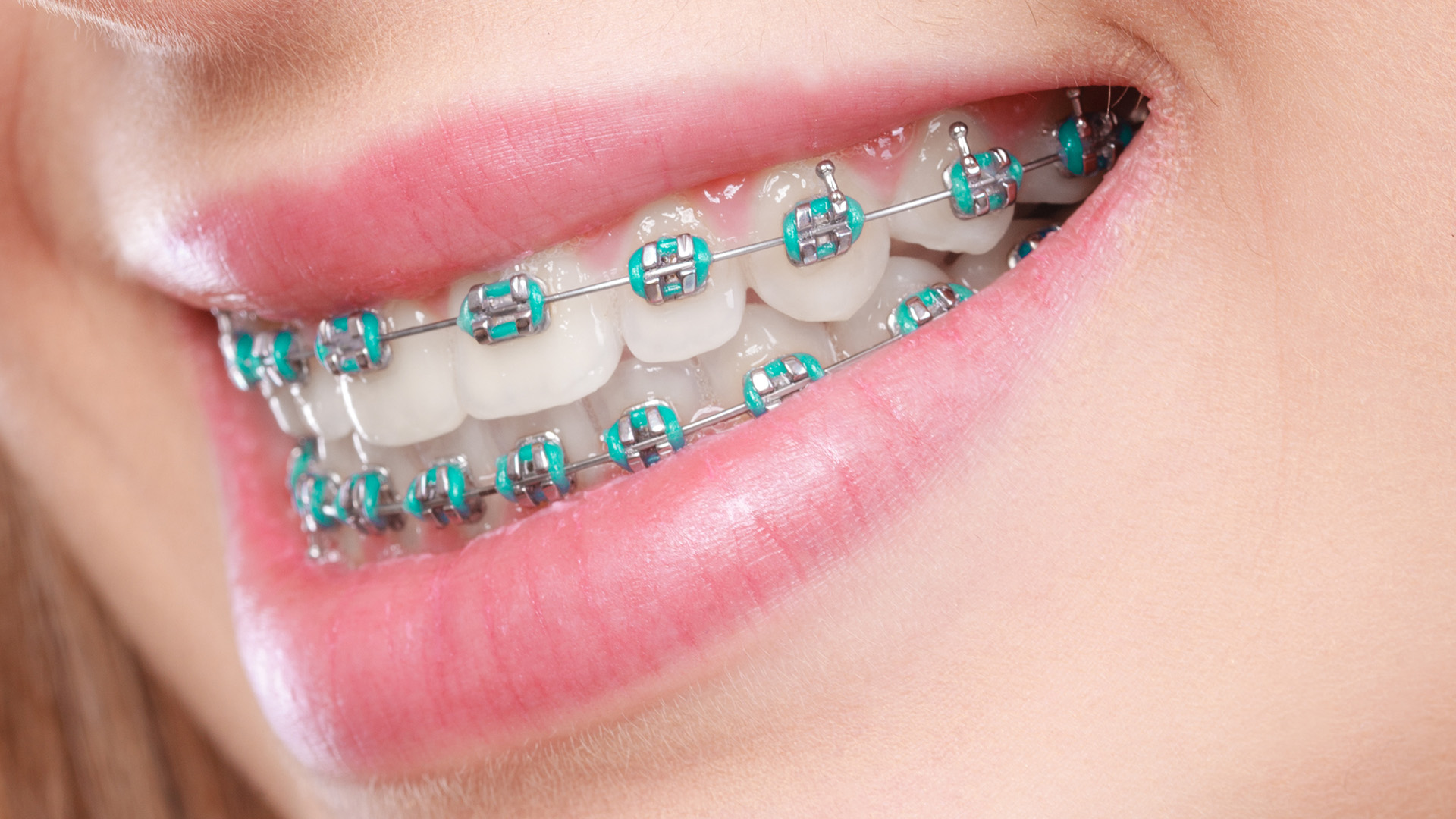
Planning for orthodontic care starts with understanding costs. Many people want to know how much braces are in Florida and want a clear, trustworthy range and what influences it. In Florida, pricing varies by the type of appliance, the complexity of your bite, and where you receive care. This guide explains average costs, what drives pricing, how different systems compare, and ways to pay, including insurance and financing. By the end, you’ll know what to expect and how to budget for a healthy, confident smile.
Average Cost of Braces in Florida
For most patients in Florida, comprehensive orthodontic treatment typically ranges from about $3,500 to $8,000. Many fall between $4,500 and $6,500, depending on case complexity and the appliance selected. Children with straightforward needs may be on the lower end, while adults can see slightly higher fees due to extended timelines or additional dental procedures. Most comprehensive fees include diagnostics, appliances, routine adjustment visits, and retainers after treatment.
Costs can vary across the state. Major metro areas, such as Miami, Orlando, Jacksonville, and Tampa, may trend toward the higher end due to overhead and demand, while suburban or rural practices can be more moderate. Ultimately, your total cost is most influenced by your clinical needs, the practice’s technology and resources, and the experience of the orthodontic team. If you’re asking how much are braces in Florida in a big city versus a smaller town, expect some regional variation.
Pricing trends through 2023 and into 2024 have been relatively stable, with modest increases tied to materials and lab expenses. Many offices offer flexible payment plans to keep monthly costs manageable. Clear aligner fees have become more competitive with traditional braces, and advances in planning and appliances are helping streamline treatment, which can support predictable outcomes and may help control total cost.
Factors That Affect the Cost of Braces
Age and oral health are significant factors. Children and teens often respond efficiently to treatment because their jaws are still developing, which can shorten timelines and reduce costs. Adult treatment may require longer wear or additional care, such as restorations, extractions, or periodontal therapy, adding to the overall budget. The nature of your bite issues also matters: crowding, spacing, overbite, underbite, crossbite, and impacted teeth can change the scope and cost of care.
Treatment length is another key driver. Mild alignment concerns might be resolved in 6 to 12 months, while moderate to complex cases often span 18 to 30 months or longer. Longer treatment involves more adjustment visits and monitoring, which increases total fees. Your orthodontist’s diagnosis and treatment plan will estimate the timeline and outline costs based on your goals and clinical needs.
Practice expertise and location can influence pricing as well. Orthodontic specialists frequently invest in advanced imaging, 3D planning, and modern appliances to enhance precision and comfort. These technologies can add to costs but may improve efficiency and outcomes. Location affects overhead and staffing, and conveniences like extended hours or multiple office locations may also be reflected in fees. If you’re comparing how much braces cost in Florida among different cities, consider the amenities and technology each practice offers.
Types of Braces and Their Costs
Metal braces: Durable and efficient, metal braces remain a cost-effective option for a wide range of cases and are often the most budget-friendly comprehensive treatment. In Florida, full treatment with metal braces typically ranges from about $3,500 to $6,500. Benefits include reliable tooth movement, suitability for complex bites, and quick adjustment visits. Today’s brackets are smaller and smoother than older styles, and many patients enjoy choosing elastic colors for a personalized look.
Clear aligners: Systems like Invisalign and similar brands offer a discreet, removable alternative. Comprehensive cases in Florida usually range from $4,000 to $7,500. Advantages include nearly invisible trays, easier brushing and flossing, and fewer dietary restrictions. While especially popular with adults and teens seeking subtle treatment, aligners now address many complex concerns thanks to advanced planning and the use of attachments. Consistent wear, 20 to 22 hours per day, is essential for staying on schedule and achieving the planned results.
Ceramic braces: These braces use tooth-colored or clear brackets to blend with your smile, providing a lower-profile appearance compared with metal. In Florida, ceramic braces often range from $4,500 to $7,000. Costs can be slightly higher due to the bracket materials and potentially longer appointment times. Ceramic brackets are a good choice for patients who want a more discreet fixed option while maintaining the reliability of braces. Your orthodontist will advise whether ceramic brackets are appropriate for your specific bite and lifestyle.
| Type | Typical Florida Range | Best For | Key Considerations |
| Metal braces | $3,500–$6,500 | Mild to complex cases | Most cost-effective; highly efficient; visible brackets |
| Clear aligners | $4,000–$7,500 | Mild to many complex cases | Removable and discreet; requires excellent wear compliance |
| Ceramic braces | $4,500–$7,000 | Patients seeking a low-profile fixed option | More discreet than metal; slightly higher cost |
Payment Options and Financing for Braces
Most orthodontic practices in Florida offer in-house payment plans to spread costs over the treatment period. These plans commonly include a down payment followed by predictable monthly installments with no or low interest. Some offices offer a discount for paying in full at the start of treatment. Plans are often tailored to your timeline so payments remain manageable from beginning to end.
Third-party financing can extend repayment terms, sometimes 24 to 60 months, to reduce monthly expenses. Longer terms can be useful for families with multiple children in treatment or adults balancing orthodontic care with other costs. If you use a Health Savings Account (HSA) or Flexible Spending Account (FSA), you can typically pay eligible orthodontic expenses with pre-tax dollars, lowering your overall out-of-pocket cost.
Before choosing a financing option, review interest rates, terms, and fees. Zero-interest plans usually require on-time payments and may be limited to your treatment length. Extended financing may include interest, so compare annual percentage rates, prepayment penalties, and any promotional periods. Request a written financial agreement that explains the total cost, monthly payment, and what’s included, such as consultations, x-rays, emergency visits, and retainers, to prevent surprises later.
Insurance and Discounts for Orthodontic Treatment
Start by reviewing your dental plan’s orthodontic benefits. Many plans offer a lifetime orthodontic maximum, often between $1,000 and $2,000, and may cover a percentage of the fee after any waiting periods. Benefits can differ for children and adults, with some plans limiting coverage to dependents under 19. Confirm whether your orthodontist is in-network and whether clear aligners are covered at the same rate as braces. Your orthodontic team can submit a pre-authorization to estimate benefits before you begin.
Discounts and promotions can help lower costs. Practices may run seasonal offers, provide savings for multiple family members starting treatment, or offer a reduction for paying in full. Some offices also have referral credits or loyalty perks. Always ask about current promotions and whether they can be combined with insurance benefits.
For qualifying families, Medicaid and state assistance programs may cover orthodontic treatment for children when it’s medically necessary. Approval criteria are specific and usually require documentation of functional problems, such as severe bite discrepancies or impacted teeth. If you think your child may qualify, schedule an evaluation and ask the practice to help compile the required documentation. In some areas, community programs or dental schools may offer reduced-cost care for eligible cases.
What to Expect During Treatment
Your first visit generally includes a consultation, digital scans or impressions, x-rays, and photographs. The orthodontist will assess your bite, jaw alignment, and tooth positions, then explain options, timelines, and costs. You’ll receive a detailed plan outlining recommended appliances, expected duration, and a financial summary with insurance estimates and payment options. Use this appointment to ask about comfort, dietary guidance, and home care.
Once treatment begins, you can expect routine visits every 4 to 8 weeks for braces or check-ins every 6 to 12 weeks for aligners, depending on your plan. Appointments are typically brief, focusing on adjustments, monitoring progress, and answering questions. Mild soreness for a day or two after adjustments is common and usually relieved with over-the-counter pain relief and a soft diet. Keeping appointments on schedule helps maintain steady progress and stay on track for your target finish date.
After the active phase, retention keeps your new smile stable while bone and gums adapt. You may wear a removable retainer full-time initially, then nights long-term. In some cases, a fixed (bonded) retainer may be recommended. Good oral hygiene throughout treatment, brushing at least twice daily, flossing, and maintaining regular cleanings, protects your teeth and gums. Your orthodontist will provide a retention plan and instructions for caring for your retainers to preserve your results for years to come.
Tips to Budget and Maximize Value
- Schedule a consultation to receive a personalized cost estimate and timeline.
- Ask for a written quote outlining what’s included: diagnostics, appliances, adjustments, emergency visits, and retainers.
- Compare payment plan options, including down payments, monthly totals, and any interest.
- Use HSA or FSA funds when available to lower your taxable income.
- Verify insurance details, including lifetime maximums, age limits, and coverage for aligners versus braces.
- Ask about family discounts, pay-in-full savings, and seasonal promotions.
- Keep all appointments and follow home care instructions to avoid delays that can increase costs.
Bottom Line: How Much Are Braces in Florida?
Most comprehensive treatments in Florida fall between $3,500 and $8,000, with many patients landing around $4,500 to $6,500. Your final fee depends on the appliance you choose, the complexity of your case, treatment length, and the practice’s resources and location. If you’re still wondering how much do braces cost in Florida for your specific smile, the most accurate way to find out is to schedule a consultation and receive a customized plan and quote. With clear pricing, flexible payment plans, and potential insurance benefits, orthodontic care is more accessible than ever. A consultation with a Florida orthodontic specialist will provide a precise estimate and a plan tailored to your smile goals and budget, giving you a definitive answer to how much are braces in Florida for your needs.