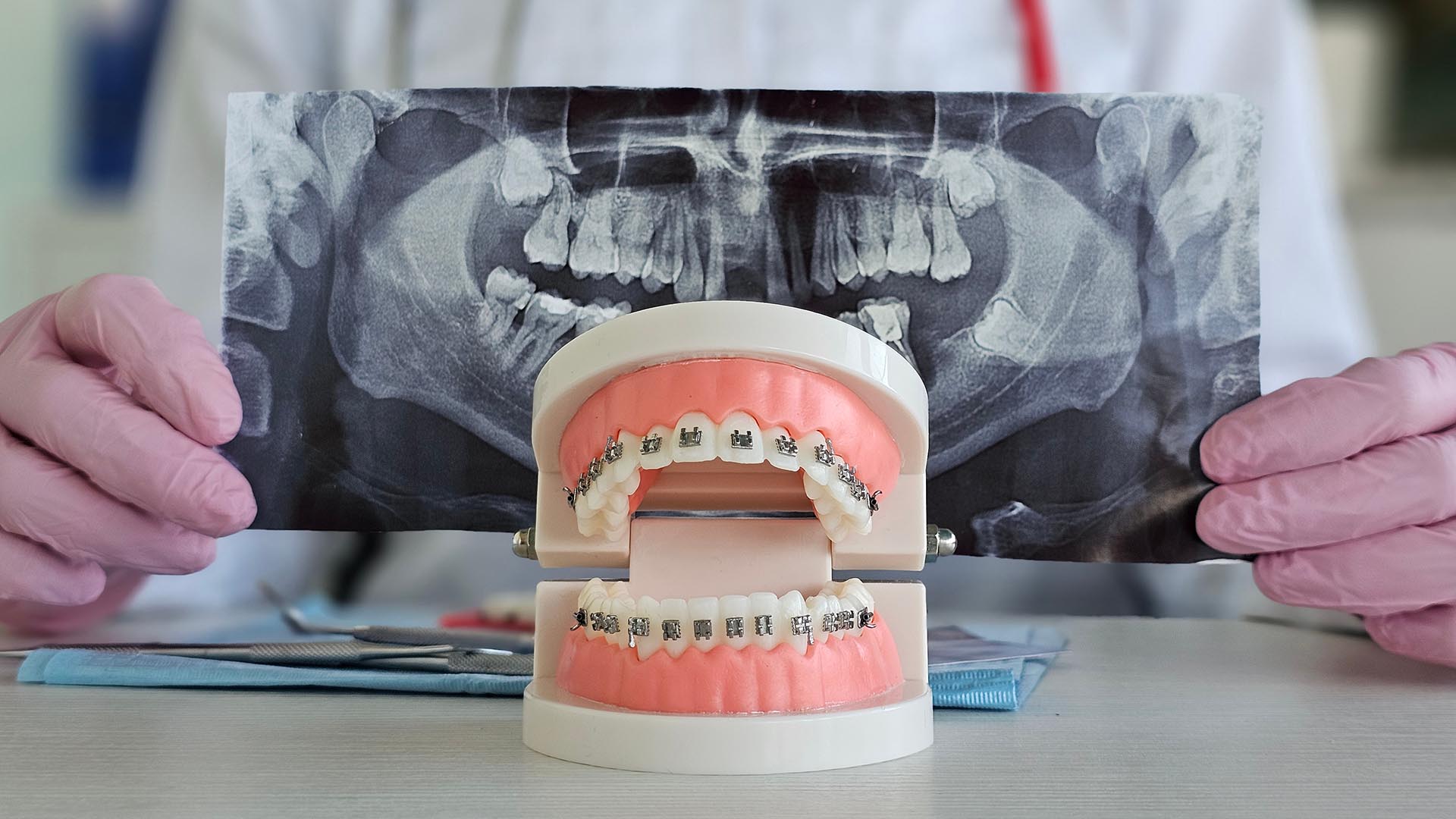
Choosing an orthodontist is an important decision for your smile, comfort, and long-term oral health. The right fit combines strong credentials, extensive hands-on experience, a full range of treatment options, and an office that feels welcoming and efficient. Use this guide to compare providers with confidence and find a practice that aligns with your needs, preferences, and goals. If you are wondering how to choose an orthodontist, the following sections walk you through qualifications, treatments, technology, and communication so you can make a clear, informed choice.
1. Qualifications and Experience
Orthodontists are dental specialists who complete dental school and then additional, accredited residency training focused on diagnosing and correcting misaligned teeth and jaws. Understanding this pathway helps you identify providers who meet rigorous standards of education and ethics.
Essential qualifications include completion of a Commission on Dental Accreditation (CODA) approved orthodontic residency and board certification by the American Board of Orthodontics (ABO). Board certification requires comprehensive written and clinical examinations and demonstrates a commitment to continuous improvement. Professional memberships, such as the American Association of Orthodontists (AAO) and state orthodontic organizations, indicate ongoing engagement with advances in care and current best practices.
Experience matters because every case is unique. Ask about the number and variety of cases the orthodontist has treated, including early treatment for children, bite correction, crowding and spacing, and collaborative care with other dental specialists. If you are considering clear aligners or more discreet types of braces, inquire about how frequently the orthodontist treats cases with those specific systems. Skill grows with repetition, and a clinician who regularly uses your preferred approach is better equipped to deliver predictable results.
Verification is straightforward and worth the effort. Start by reviewing the orthodontist’s website and professional profile, then cross-check with trusted sources:
- Use the AAO’s Find an Orthodontist directory to confirm specialty status.
- Check your state dental board for licensure and any disciplinary history.
- Confirm board certification directly on the ABO website.
Reputable practices are transparent about training and credentials. If something is unclear, ask for the orthodontist’s full name and residency program to verify details.
During a consultation, consider these questions:
- Where did you complete your orthodontic residency, and are you board certified?
- How many cases like mine have you treated, and what outcomes can I expect?
- What continuing education courses or new techniques have you adopted recently, and why?
Clear, confident answers build trust and help you feel assured that you are in capable hands. Learning how to choose an orthodontist often starts with confirming these qualifications and gauging the depth of a provider’s experience.
2. Treatment Options Available
A strong orthodontic practice offers a full range of treatments tailored to different ages, lifestyles, and clinical needs. Understanding your choices helps you balance appearance, comfort, and efficiency while achieving your goals.
Common options include:
- Traditional metal braces: Durable and highly effective for a broad spectrum of tooth movements and bite corrections.
- Ceramic braces: Similar to metal braces but designed to blend with tooth color for a more discreet look.
- Self-ligating braces: Brackets designed to reduce friction and simplify hygiene by eliminating elastic ties.
- Clear aligners (e.g., Invisalign): Removable, nearly invisible trays that straighten teeth when worn as directed.
- Hidden braces placed on the inside surfaces of teeth: Keep appliances out of view for maximum discretion.
Some children benefit from early or phased treatment to guide jaw growth, improve alignment of developing teeth, and reduce the complexity or duration of care in the teen years. Interceptive appliances, such as expanders or space maintainers, can create room for incoming teeth and set the stage for a smoother comprehensive phase later.
Each approach has its strengths:
- Metal braces provide reliable control for complex tooth movements and significant bite issues.
- Ceramic braces deliver a subtler appearance with similar effectiveness to metal systems.
- Self-ligating brackets may improve comfort and make brushing and flossing easier.
- Clear aligners offer the convenience of removal, fewer dietary restrictions, and easier oral hygiene, but require consistent wear to be effective.
- Hidden braces keep treatment out of sight, though you may need time to adjust your speech and cleaning routine.
Personalization is essential because no two smiles are the same. Your orthodontist should perform a thorough assessment using photographs, digital scans, and X-rays, then explain your diagnosis in plain language. A high-quality plan will cover:
- Recommended appliances and why they suit your case
- Estimated treatment timeline and visit frequency
- Lifestyle considerations, such as food choices, wear-time expectations, or speech adaptation
- Retention after treatment, including the type of retainer and how long you will need to wear it
- Total cost, insurance coordination, and financing options
If you have specific priorities, like a tight deadline for a special event, a public-facing job that requires a discreet look, or a desire to minimize office visits, share them early. Your orthodontist can often adjust the plan to better match your schedule and comfort level.
Useful questions to ask include:
- Which treatments are most appropriate for my case, and what are the pros and cons of each?
- How long will each option take, and what will my appointment schedule look like?
- What lifestyle commitments are required (for example, wear time for aligners or dietary adjustments with braces)?
- How will we maintain my results after treatment, and what is the long-term retention plan?
Understanding trade-offs helps you choose a path that fits your routine and delivers the outcome you want. As you learn how to choose an orthodontist, weigh whether each option aligns with your goals for appearance, convenience, and treatment efficiency.
3. Office Environment and Technology
Your experience throughout treatment depends not only on the appliances chosen but also on the environment and systems that support your care. Look for a practice that feels clean, organized, and friendly, with a team that stays on schedule and communicates clearly. A welcoming atmosphere can ease anxiety, making every visit more comfortable and productive.
Modern technology enhances accuracy and convenience. Practices that use digital scanners can replace traditional impressions, creating precise 3D models for better-fitting appliances. Low-radiation digital X-rays and cone beam computed tomography (CBCT), used when appropriate, provide detailed views for diagnosis and planning. Treatment planning software can simulate tooth movement and help forecast timelines, and some offices use in-house 3D printing to produce retainers or models quickly and accurately.
Technology should make care easier to understand, not more complicated. You should be able to see your proposed outcome and receive straightforward explanations of each step. Digital tools such as online portals and text reminders streamline scheduling, progress updates, and financial information. If remote monitoring is available, you may reduce in-person visits while keeping your orthodontist updated on your progress between appointments.
Beyond tools and software, the team’s communication style is essential. Notice whether staff explain procedures before they begin, provide clear take-home instructions, and check on comfort. Ask about protocols for issues like loose brackets, broken wires, or aligner concerns. Prompt, accessible support keeps treatment on track and prevents small problems from becoming bigger ones.
Convenience and transparency matter too. Flexible scheduling, a location that fits your routine, and straightforward financial policies all contribute to a smooth experience. Make sure fees are clear, insurance benefits are explained, and payment plans are available if you need them.
When you visit offices, consider the following:
- Is the clinic clean, well maintained, and organized with visible attention to sterilization and infection control?
- Do they offer digital scans and show visual treatment plans so you can see expected progress?
- Will you have consistent contact with the same orthodontist throughout your care?
- How easy is it to reach the team if you have questions between appointments?
Small details add up to a treatment journey that feels supportive, efficient, and tailored to your needs. Understanding these elements is central to how to choose an orthodontist who will provide a smooth, reassuring experience from start to finish.
Comparison Checklist
Use this quick checklist to compare practices during consultations and tours.
| Category | What to Look For | Questions to Ask |
| Credentials | CODA-approved residency, ABO certification, AAO membership | Where did you train? Are you board certified? |
| Experience | Diverse case history, experience with your specific needs | How many cases like mine have you treated, and what were the outcomes? |
| Treatment Options | Multiple appliance choices, early treatment when appropriate | Which options suit my goals, and why? |
| Technology | Digital scanning, low-radiation imaging, clear visual planning | Can I see a simulation of my expected results? |
| Communication | Clear explanations, take-home instructions, responsive team | Who do I contact with questions or emergencies? |
| Convenience & Cost | Flexible scheduling, transparent fees, insurance help, payment plans | What is included in the fee, and how does financing work? |
| Retention | Defined plan for retainers and follow-up | What is the retention protocol, and for how long? |
Final Tips for Making Your Choice
Start with a consultation at one or two practices. Bring notes about your goals, timelines, and questions. Compare treatment recommendations, proposed timelines, and total cost, including what is covered by insurance and what is not. Pay attention to how well the orthodontist and team listen, explain, and tailor their approach to your priorities.
Trust is essential. You will be working together for many months, so choose a provider who makes you feel heard and supported. Look for a balance of clinical expertise, modern tools, and a human touch that keeps you informed and comfortable at every step. Knowing how to choose an orthodontist gives you confidence to evaluate options and move forward with a plan that feels right.
Choosing an orthodontist is about more than straightening teeth. It is about partnering with a specialist who has the qualifications, experience, and technology to deliver excellent results, and a team that makes you feel cared for throughout your journey. Take the time to ask questions, compare options, and select a practice that aligns with your goals and values. Your future smile will thank you.