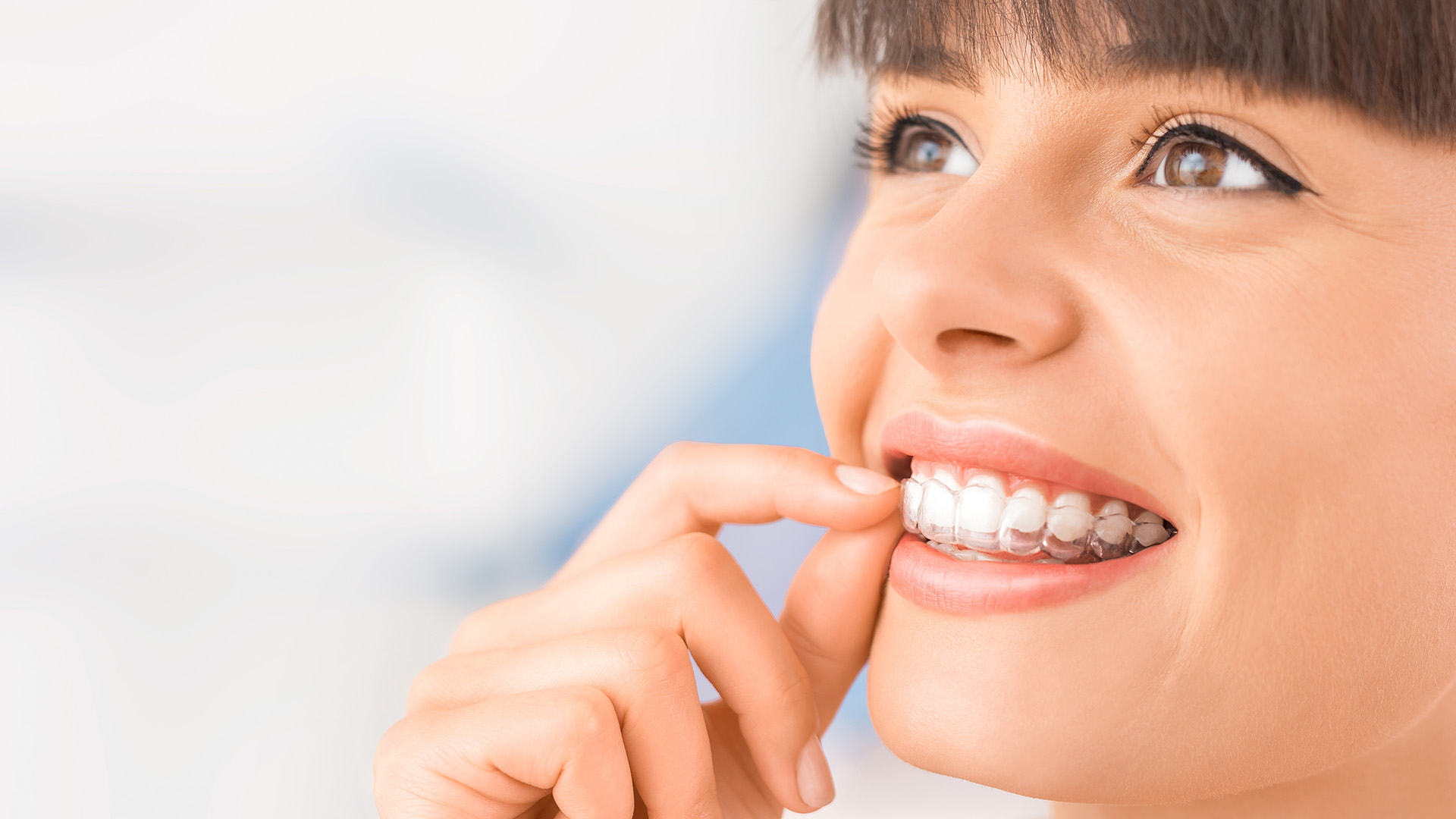
Deciding between Invisalign and traditional braces comes down to what will be most effective for your bite, lifestyle, and goals. Both can deliver healthy, confident smiles, but they move teeth in different ways and excel in different situations. This guide explains how each option works, which issues they handle best, what daily life looks like during treatment, and how to choose the right approach with your orthodontist. Along the way, we address the common question, is Invisalign more effective than braces, and offer a balanced look at braces vs aligners so you can make an informed choice.
How Invisalign and Braces Work
Invisalign uses a series of custom, removable clear aligners that fit over your teeth. Each set applies gentle, targeted forces to move teeth in small increments. You typically change to a new set every one to two weeks. To enhance control, your orthodontist may place small tooth-colored attachments and may recommend elastics to correct bite relationships.
Braces are fixed appliances with brackets attached to each tooth and connected by archwires. Your orthodontist makes regular adjustments to guide movement. Because braces are bonded in place, they deliver continuous forces without relying on patient wear time.
The clinical process for Invisalign includes a digital scan, 3D treatment planning, and delivery of aligners, followed by periodic check-ins and refinements as needed. Braces begin with bracket placement and initial wires, then scheduled adjustments as you progress through more precise wires and auxiliaries.
Both systems can address crowding, spacing, crossbites, overbites, underbites, and rotations. Invisalign is highly effective for mild to moderate alignment issues and many bite corrections when wear is consistent. Braces are often preferred for severe crowding, significant rotations, larger vertical or transverse changes, and complex movements such as extensive root torque or multi-tooth extrusion/intrusion. When considering braces vs aligners in these scenarios, fixed appliances may offer more predictable control for certain movements.
Effectiveness for Common Orthodontic Issues
- Crowding and spacing: Both Invisalign and braces treat mild to moderate crowding and spacing predictably. Clear aligners can be very efficient with precise planning and attachments. Braces offer strong control for more pronounced crowding or when arch expansion and significant coordination are needed.
- Mild-to-moderate misalignment: For crooked teeth, relapse after prior treatment, or minor bite discrepancies, Invisalign often achieves excellent results, assuming aligners are worn as directed. Braces provide comparable outcomes and do not depend on daily wear time, which can benefit some patients.
- Complex cases: Severe rotations, impacted teeth, large overbite or underbite corrections, and extensive vertical or asymmetry changes tend to favor fixed braces or hybrid plans. Braces enable continuous forces and a wider range of mechanics. In some cases, a combination approach works well: braces for initial alignment, followed by aligners for finishing, or aligners with attachments and elastics to extend capabilities.
- Retention and stability: Retainers are essential regardless of treatment type. Most patients will use removable clear retainers at night, a bonded retainer, or a combination. Long-term stability depends on your tooth and jaw anatomy, the quality of the final bite, and consistent retainer wear. Your orthodontist will design a retention plan to minimize relapse.
If you are asking yourself if Invisalign is more effective than braces for your specific concern, consider how reliably you can wear aligners and the complexity of the movements required. In direct comparisons of braces vs aligners for advanced root movements or vertical changes, fixed braces may provide advantages, while aligners often excel in aesthetics and hygiene.
Treatment Time, Comfort, and Lifestyle
Average treatment time: Many treatments finish in 12 to 24 months. Minor corrections can be quicker, while complex cases may take longer. Duration depends on the complexity of your bite, biological response, visit frequency, and, with aligners, consistent wear, typically 20 to 22 hours per day. With Invisalign, refinements (additional aligners to fine-tune details) are common and usually included.
Comfort and daily experience: Invisalign aligners are smooth and removed for eating and brushing, which can simplify meals and hygiene. Temporary speech changes may occur when starting or switching trays. Braces can cause soreness after adjustments and may irritate cheeks or lips at first; modern low-profile brackets and orthodontic wax help. Both systems create pressure as teeth move, usually subsiding within a few days.
Removability and hygiene: Aligners must be taken out for anything except water, and teeth should be brushed before aligners go back in to prevent staining and cavities. Braces stay on 24/7, so you will avoid hard or sticky foods and spend extra time brushing and flossing with tools like floss threaders or water flossers to keep gums and enamel healthy.
Compliance and effectiveness: Invisalign relies on consistent wear. Not wearing aligners as prescribed slows or derails planned movements and extends treatment time. Braces remove the wear-time variable, but you still need to follow dietary and hygiene guidelines to protect your teeth and keep treatment on track. Elastics, whether used with aligners or braces, must be worn as directed to correct the bite.
When comparing braces vs aligners for day-to-day life, weigh whether removability is a benefit or a challenge. For some, the ability to take trays out is liberating; for others, built-in consistency with fixed brackets better supports success.
Cost, Financing, and Value
Typical cost ranges: In many areas, Invisalign and braces are similar in overall cost. Fees vary with case complexity, length of treatment, technology used, and the number of visits or refinements. Limited treatments are usually less expensive; comprehensive care falls toward the higher end. A clear, customized estimate is provided after a thorough evaluation.
Insurance and payment options: Many dental insurance plans include orthodontic benefits that apply to both braces and Invisalign, often up to a lifetime maximum. Teams commonly verify coverage and help you maximize benefits. Flexible payment plans and interest-free financing are often available to fit your budget.
Value versus cost: Value comes from the quality of your result, your experience during treatment, and the long-term stability of your bite. Consider convenience, comfort, total chair time, and your ability to comply with the chosen system. The best return on investment comes from a well-planned, well-executed treatment, whether aligners or braces.
What is included: Ask about refinements with Invisalign, broken bracket repairs with braces, and retainers after treatment. Retainer replacement and long-term follow-up may have additional fees. Emergency visits for poking wires or lost aligners are usually minimal but should be reviewed upfront to avoid surprises.
Invisalign vs Braces: Quick Comparison
| Factor | Invisalign | Braces |
| Effectiveness | Excellent for mild to moderate cases; many bite issues treated with good compliance | Ideal for complex movements, severe crowding, and larger bite corrections |
| Wear/Compliance | Must wear 20–22 hours/day; removable for meals and brushing | Fixed in place; no wear-time dependence |
| Comfort | Smooth trays; mild pressure with each change | Soreness after adjustments; possible cheek/lip irritation initially |
| Oral Hygiene | Remove to brush/floss; must clean teeth before reinserting | Requires extra hygiene tools and time; avoid hard/sticky foods |
| Treatment Time | Typically 12–24 months; refinements common | Typically 12–24 months; varies by complexity |
| Aesthetics | Nearly invisible | Tooth-colored or metal brackets; less discreet |
| Cost | Comparable to braces in many cases | Comparable to Invisalign in many cases |
If you are weighing braces vs aligners, use this table as a starting point and discuss specifics with your provider.
How to Decide: Personalized Evaluation and Next Steps
Key questions to ask:
- Which option best suits my bite and my goals?
- How long will treatment take for my case?
- What level of daily compliance is required?
- What results can I realistically expect with aligners versus braces?
- What is included in the fee (refinements, retainers, emergency visits)?
- How will progress be monitored and long-term stability maintained?
What to bring to your consultation: Recent dental checkup information, a list of medications and dental history, and any concerns about appearance, timing, or budget. If you have had orthodontic treatment before, bring any retainers or records if available.
Records and planning: Your orthodontist will take digital scans, photos, and X-rays to assess tooth positions, roots, jaw relationships, and gum and airway considerations. Using these records, a tailored plan is crafted, recommending aligners, braces, or a hybrid approach based on biomechanics and your preferences.
Progress checks: With Invisalign, you will receive a series of aligners and return periodically for fit checks, attachment updates, and potential refinements. With braces, you will have scheduled adjustments to guide movement efficiently. In both systems, progress is tracked against the plan and timely changes are made to keep you on course.
The bottom line: Is Invisalign more effective than braces? It depends on your case and your commitment to wearing aligners as prescribed. For many mild to moderate issues, Invisalign is equally effective and offers lifestyle advantages. For complex movements and larger bite corrections, braces often provide greater control. The most reliable way to resolve the braces vs aligners debate is a personalized evaluation that clarifies which approach best supports your healthiest, most confident smile.