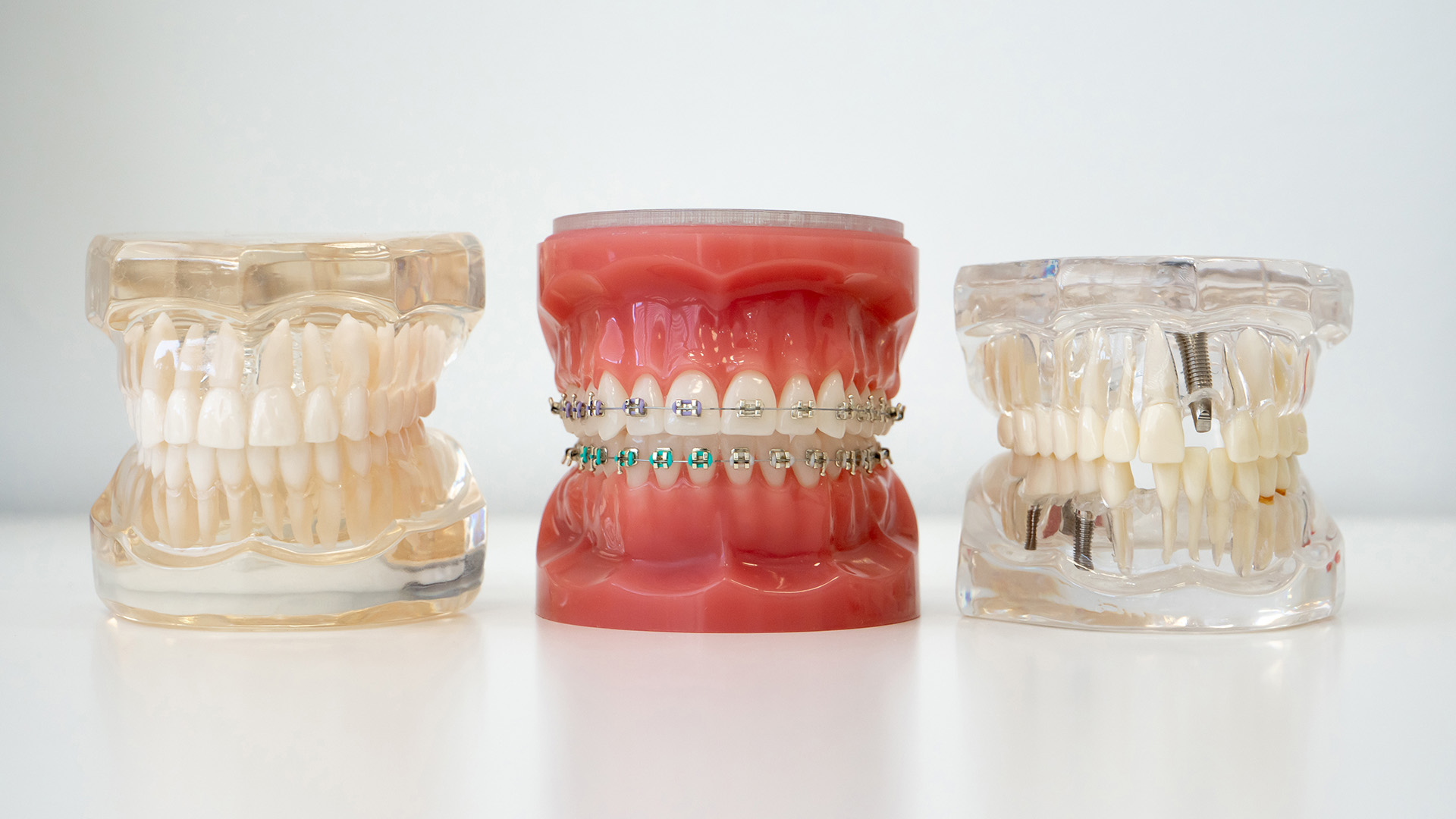
Reaching the end of braces or aligner therapy is a major achievement. Keeping your bite and smile stable for the long haul is the next chapter. Orthodontic relapse describes the drift of teeth or bite relationships back toward their pre-treatment positions after active treatment ends. Some settling is normal as the bite refines and chewing contacts mature, but true relapse can chip away at results you worked hard to earn. Understanding why relapse happens, which case types are more prone to it, and how smart retention plans work is the best way to protect your outcome.
At Coastline Orthodontics, we personalize retention around your biology, bite, and habits. That means the type of retainers, how long you wear them, and how closely we monitor your smile are tailored to your unique risk profile. When the right strategy is paired with consistent follow-through, your results can look and feel great year after year. This page explores orthodontic relapse risk by case type so you can understand where your smile fits on the stability spectrum and what to do next.
What Is Orthodontic Relapse?
Orthodontic relapse is the unwanted return of tooth position or bite relationships toward where they started before treatment. It is distinct from normal post-treatment settling, which is a mild, expected fine-tuning that occurs as your teeth find optimal contact on the chewing surfaces. Settling usually improves the way molars interlock and helps distribute chewing forces evenly. Relapse, by contrast, produces changes that drift away from the final goals: spacing that reopens, crowding that returns, tooth rotations that reappear, or bite relationships that move out of alignment.
Relapse can show up differently depending on the teeth involved:
- Front teeth: Crowding of the lower incisors, reopening of a midline gap between the upper front teeth, or the return of small rotations are common. Early signs can be subtle, such as slight overlap or a notched edge where teeth no longer align perfectly.
- Premolars and molars: Spaces may reopen where extraction spaces had been closed, teeth can tip after previously being uprighted, and the way upper and lower teeth meet can shift, especially if there was a deep bite or open bite before treatment.
- Bite changes: A corrected deep overbite can deepen again, overjet (the horizontal distance between upper and lower front teeth) can change, and posterior open bite contacts can recur after aligner therapy. Some patients notice new bite discomfort or a change in how teeth meet during chewing.
Timing is important. Relapse risk is highest in the first 12 months after you finish braces or aligners because the periodontal ligament and bone are still reorganizing. The first 3 to 6 months are especially critical for consistent retainer wear. From 12 to 24 months, risk remains but gradually declines as tissues stabilize and the bite settles. Beyond two years, risk narrows to specific patterns driven by long-term factors like tongue posture, clenching at night, adolescent growth, and natural age-related changes. Even decades later, lower front teeth can slowly crowd if retainers are not used as recommended. The movement is slower than early relapse but can accumulate over time. Understanding this timeline is a key part of evaluating orthodontic relapse risk by case type and tailoring your retention plan accordingly.
Biology and Mechanics Behind Tooth Movement
Teeth move through bone via a process called bone remodeling. During orthodontic treatment, gentle, sustained forces prompt bone to resorb on the pressure side of a tooth and form on the tension side, allowing the tooth to shift within its socket. Once those forces stop, the tissues that adapted to the new positions need time to reorganize and stabilize. This is why retention is essential: the supporting structures remain biologically active for months and can allow teeth to drift back if not held in place.
The periodontal ligament (PDL), a fibrous network connecting teeth to bone, is central to both movement and relapse. During treatment, PDL fibers stretch and adapt. After treatment, these fibers, especially the supracrestal or gingival fibers around the neck of the tooth, retain some elastic memory, which can contribute to rotational relapse as previously rotated teeth unwind. Gingival tissues and collagen fibers take months to reorient and can remain a source of relapse long-term if not controlled.
Muscles and habits also shape stability. Lips, cheeks, and tongue apply constant, low-grade pressures that can nudge teeth. Habits such as tongue thrusting, low tongue posture, lip biting, or cheek pressure can compete against corrected positions if not addressed. Parafunctional habits, including clenching and grinding, add lateral and vertical forces that can alter bite relationships over time.
Growth and aging influence long-term outcomes. In adolescents, ongoing jaw growth after treatment can change how teeth fit, particularly in patients who had correction for overbites or underbites while still growing. Vertical growth may deepen a bite or affect an open bite closure. In adults, slow bone remodeling, gum support changes, and wear patterns can produce gradual shifts, especially in the lower front teeth where crowding with age is common. Periodontal disease further changes bone architecture and may lead to tooth drifting if inflammation is not controlled. These biological and mechanical realities explain why long-term, customized retention is a core part of treatment, not an optional extra, and they directly inform assessments of orthodontic relapse risk.
Relapse Risk by Case Type
Not all orthodontic corrections are equally stable. Some are naturally easier to maintain, while others require more robust, long-term retention. Knowing where your case sits on the risk spectrum helps set expectations and guides retainer choices and monitoring. Exploring orthodontic relapse risk gives a practical framework for planning your post-treatment care.
Lower-Risk Cases
Cases that involve mild crowding or spacing without major bite changes are generally easier to keep stable. Examples include minor rotations of the front teeth, small midline corrections, and simple alignments where the arch form and jaw relationships were already favorable.
What relapse looks like in these cases:
- Slight incisor overlap or minor shifting if retainers are reduced too soon.
- Small spaces reappearing, especially if there was a history of spacing.
With diligent retainer wear in the first year followed by consistent night wear, most patients maintain excellent alignment with minimal maintenance.
Moderate-Risk Cases
These cases require more substantial tooth movement or bite alterations. Common examples include extraction cases to relieve severe crowding or reduce protrusion, anterior spacing with a diastema between the two upper front teeth, and deep bite corrections where the upper front teeth once overlapped the lowers significantly.
Typical relapse patterns include:
- Reopening of extraction spaces or small triangular “black triangle” gaps between teeth.
- Recurrence of a midline diastema due to elastic midline fibers.
- Progressive deepening of the bite when vertical control is not maintained.
Extended retainer wear, targeted procedures such as supracrestal fiberotomy for rotations or diastemas, and periodic monitoring help control these tendencies.
Higher-Risk Cases
High-risk scenarios include severe crowding with significant arch expansion, camouflage of jaw discrepancies with tooth movement, pronounced rotations (especially canines or premolars), and open bite corrections influenced by tongue posture or airway issues. In these cases, relapse can be more pronounced and sometimes rapid if retention lapses.
Common relapse tendencies include:
- Rotated teeth unwinding due to elastic gingival fibers.
- Open bites reopening if tongue thrust or mouth breathing persists.
- Crowding returning when arches were expanded beyond the individual’s stable skeletal limits.
Fixed bonded retainers on multiple segments, adjunctive procedures such as supracrestal fiberotomy, and support for habits (for example, myofunctional therapy for tongue posture or night guards for clenching) are often recommended. Lifelong nighttime retention is common in these cases.
Summary of Relapse Tendencies by Case Type
| Case Type | Relapse Tendency | Typical Retention Approach |
| Mild crowding/simple alignment | Generally stable; minor incisor shift if retention reduced too soon | Full-time wear initially, then night wear long-term; periodic checks |
| Anterior spacing/diastema | Moderate risk of space reopening due to midline fibers | Long-term night wear; consider upper bonded retainer; fiberotomy in select cases |
| Extraction cases | Moderate risk of space reopening or tooth tipping | Extended full-time wear; long-term night wear; lower bonded retainer often recommended |
| Deep bite correction | Moderate to higher risk of bite deepening over time | Night wear indefinitely; may include bite stops; monitor tooth wear and parafunction |
| Open bite correction | Higher risk, especially with tongue thrust or airway issues | Combined retention and habit therapy; long-term or lifelong night wear |
| Severe rotations | Higher risk of unwinding due to elastic fibers | Bonded retainers; consider fiberotomy; add removable night retainer |
| Camouflaged skeletal discrepancies | Variable to high risk depending on growth and function | Long-term night wear; ongoing review; address functional drivers |
Retention Strategies and Their Effectiveness
Retention is a planned phase of care designed to hold teeth in their corrected positions while the PDL and bone stabilize and while muscle patterns adapt. There are two primary categories, removable and fixed retainers, each with distinct advantages. The best approach considers your specific risk, oral habits, hygiene, and lifestyle. Matching these tools to your orthodontic relapse risk yields the strongest long-term outcomes.
Removable Retainers
Two widely used options are vacuum-formed clear retainers (Essix-style) and Hawley retainers with an acrylic plate and wire.
- Clear retainers: Discreet, closely conform to teeth, and excellent at preserving detailed alignment, especially in the front. They are comfortable for full-time wear right after treatment and transition well to long-term night wear. They can warp with heat, crack if handled roughly, and limit vertical settling of molars compared with Hawley retainers.
- Hawley retainers: Durable and adjustable, with a design that allows back teeth to settle into better contact over time. They are more noticeable than clear retainers and require consistent wear for effectiveness.
For patients who grind at night, a reinforced clear retainer or a hybrid retainer/night guard may be advised to protect both the teeth and the orthodontic alignment.
Fixed (Bonded) Retainers
Fixed retainers use a thin wire bonded behind the front teeth, commonly canine to canine on the lower arch and sometimes on the upper arch for spacing or rotational control. The biggest benefit is constant protection against relapse without relying on day-to-day compliance. They are particularly effective for anterior spacing, diastema control, and preventing lower incisor crowding.
Considerations include the need for careful hygiene to prevent plaque buildup, the risk of debonding if you bite hard foods, and occasional wire distortions that can move teeth if not addressed promptly. Many patients pair a fixed retainer with a removable night retainer to protect bite contacts and provide an extra layer of security.
Tailoring Retention to Risk
Retention schedules depend on the original diagnosis and the extent of movement achieved during treatment.
- Lower-risk alignment cases: Full-time wear (about 20–22 hours per day) of removable retainers for 2 to 3 months, then nightly wear for at least 12 months, followed by a maintenance schedule of a few nights per week indefinitely.
- Moderate-risk cases such as extractions, diastemas, or deep bite correction: Full-time wear for 4 to 6 months and nightly wear long-term, often with a fixed lower retainer and, in spacing cases, a fixed upper retainer.
- Higher-risk cases including severe rotations, open bite closures, or camouflaged jaw corrections: A bonded retainer combined with nightly removable wear indefinitely is typical. In selected rotation or diastema cases, supracrestal fiberotomy can reduce relapse risk.
Monitoring and Maintenance
Retention is most effective when paired with proactive follow-up. We typically review patients 1 to 3 months after retainer delivery to confirm fit and habits, again at 6 months to assess tissue stability, and at 12 months to consider adjustments to wear schedules. After the first year, annual check-ins are helpful for higher-risk cases.
Early warning signs that call for adjustments include a retainer that feels tight or does not seat fully, new spaces, or shifts in bite. Solutions may include increasing wear time, adjusting or replacing a retainer, repairing a fixed retainer, or short-course aligner touch-ups. If a fixed retainer breaks and movement occurs, prompt repair combined with auxiliary removable retention can prevent further shifting. Addressing issues promptly keeps minor changes from becoming more complex.
Patient Factors That Influence Relapse Risk
Retention success is a partnership. The orthodontic plan lays the foundation, and patient habits help keep it strong. A few factors make the largest difference over time.
Consistency and Care
- Compliance: Wearing your retainer as directed is the most important modifiable factor. Consistent wear helps PDL fibers adapt and keeps bone remodeling aligned with the new positions. Skipping nights, especially in the first year, can permit subtle movements that build quickly.
- Handling and replacement: Keep removable retainers protected in a case when not in use, avoid heat exposure, and rinse after use. If a retainer is lost or broken, contact us promptly to avoid gaps in retention.
- Food choices with fixed retainers: Avoid hard or sticky foods that stress bonded wires. Check for loosening and schedule repair right away if you notice a change.
Habits and Function
- Bruxism: Nighttime clenching or grinding directs lateral forces that can deepen bites or encourage crowding. A customized night guard or reinforced retainer helps absorb these forces.
- Tongue posture and swallowing: Persistent tongue thrust or low resting tongue posture can reopen open bites or spaces, especially when airway issues (nasal obstruction, allergies) lead to mouth breathing. Myofunctional therapy and evaluation for airway health are often part of long-term stability plans.
- Lip and cheek pressures: Chronic habits like lip sucking, nail biting, or cheek pressing can apply directional forces that counteract the corrected tooth positions.
Oral and Systemic Health
- Gum and bone health: Inflammation from gingivitis or periodontal disease undermines support and allows drift. Excellent brushing, flossing, professional cleanings, and periodontal care when needed help maintain stable support.
- Restorative dentistry: New crowns, bridges, or fillings can alter bite contacts if not adjusted precisely, nudging teeth. Let your dentist know about your orthodontic history and bring retainers to visits so occlusion can be checked with them in mind.
- Implants: Dental implants do not move like natural teeth. Retention choices should account for this difference in how forces are distributed.
- Age and medications: Adolescents may still experience jaw growth that changes bite relationships after treatment. Adults often experience slow, age-related crowding in the lower front teeth. Systemic conditions that affect bone metabolism (such as osteoporosis) and certain medications may influence stability and healing. Keeping your orthodontist updated on your medical history helps tailor retention.
Preventing and Managing Relapse: Practical Guidance
Preventing relapse starts with watching for early signs and taking quick action. The sooner we intervene, the simpler the fix will be.
Know the Early Warning Signs
- A retainer that suddenly feels tight or will not fully seat
- New spaces, slight overlapping, or rotations you can see or feel
- A change in how back teeth meet or new bite discomfort
- Fixed retainer issues: a loose bonding spot, wire distortion, or food catching on the wire
Non-Surgical Solutions
Most relapse can be corrected without surgery when addressed early:
- Intensified retention: Increasing retainer wear to full-time for a short period can reverse recent, minor movement.
- Short-course aligners: Targeted aligner therapy can fine-tune specific teeth in weeks to a few months.
- Fiberotomy for rotations or diastema: A supracrestal fiberotomy can reduce elastic recoil in the gingival fibers, especially helpful for rotated teeth or a persistent midline gap. This is often paired with a bonded retainer for stability.
- Habit management: Myofunctional therapy for tongue posture, night guards for bruxism, and strategies to improve nasal breathing help remove the forces that caused relapse.
- Retainer repairs and replacements: If a fixed retainer contributed to movement due to distortion or debonding, replacing the wire and adding temporary removable retention can restore control.
When Surgery Is Considered
Surgery is rarely needed for relapse alone. However, if skeletal discrepancies or airway issues are driving repeated bite changes, surgical options may be discussed. Jaw surgery (orthognathic surgery) can be reconsidered in severe cases tied to growth or structural differences previously managed with camouflage. Periodontal procedures, such as grafting or crown lengthening, may support tissue health and stability in select cases. Any surgical decision is individualized and coordinated among your orthodontist, dentist, and oral and maxillofacial surgeon.
How Coastline Orthodontics Supports Long-Term Stability
We take a proactive, personalized approach to your post-treatment plan:
- Risk profiling before debond or final aligner delivery to select the right retainer combination and schedule
- Digital design and fabrication for precise retainer fit
- Clear care instructions with demonstrations on wear, cleaning, and storage
- Structured follow-up to check fit early and adjust as needed
- On-call support for breakages and rapid refinement options if early relapse appears
- Collaboration with your dentist and, when appropriate, airway or myofunctional specialists to address habit and breathing factors
Your role matters just as much. Wear retainers consistently, keep them clean and safe, and bring them to dental visits so your dentist can verify fit and hygiene. If you plan restorative work, tell your dentist about your retainers and request a bite check that considers your orthodontic results.
Case-by-Case Guidance: Matching Retainers to Risk
Choosing the right retainer is about matching the tool to the task. Below are practical pairings for common case types and why they work.
Mild Alignment and Crowding
Recommended approach:
- Clear retainers for initial full-time wear and long-term night wear; or Hawley retainers if vertical settling of molars is desirable.
- Wear schedule: 2 to 3 months full-time, then nightly wear for at least 12 months, then a few nights per week indefinitely.
Why it works: These cases typically have minimal biological pressure to relapse, and consistent wear during the first year allows tissues to stabilize.
Anterior Spacing and Diastema
Recommended approach:
- Upper bonded retainer spanning front teeth to prevent space reopening, often paired with a clear night retainer.
- Consider supracrestal fiberotomy if the midline gap has a strong tendency to reopen.
Why it works: Elastic midline fibers can pull teeth apart. A bonded retainer neutralizes this pull, and fiberotomy reduces rotational and spacing relapse risk.
Extraction Cases
Recommended approach:
- Lower bonded retainer (canine to canine) to protect incisor alignment.
- Clear or Hawley retainers for both arches with extended full-time wear (4 to 6 months), then nightly.
Why it works: Maintaining closed extraction spaces requires firm control of tooth angulation and contact points; bonded retention and sustained wear guard against tipping or reopening.
Deep Bite Corrections
Recommended approach:
- Nighttime retainers long-term or indefinitely.
- Use of bite stops or programming in retainers when indicated to counter vertical relapse.
- Night guard features for patients who clench or grind.
Why it works: Deep bites tend to recur as posterior teeth wear and vertical forces increase. Modest bite support and bruxism control help maintain vertical dimension.
Open Bite Corrections
Recommended approach:
- Upper and lower bonded retainers where appropriate, combined with clear night retainers.
- Myofunctional therapy and airway assessment to address tongue posture and mouth breathing.
- Lifelong nighttime retention is commonly recommended.
Why it works: Open bites are sensitive to tongue and breathing patterns. Retention paired with habit and airway management greatly improves stability.
Severe Rotations
Recommended approach:
- Bonded retainers on involved segments, often front teeth.
- Supracrestal fiberotomy to reduce elastic fiber recoil in selected teeth.
- Clear night retainer as an added safeguard.
Why it works: Elastic supracrestal fibers attempt to unwind rotated teeth. Cutting and allowing these fibers to reorganize, then holding the teeth in place, reduces relapse.
Camouflaged Skeletal Discrepancies
Recommended approach:
- Long-term night wear with clear retainers and bonded lower retainers as indicated.
- Regular reviews to monitor growth or functional changes.
Why it works: When bite correction is achieved through tooth movement rather than jaw surgery, the bite is more vulnerable to changes in growth and function. Vigilant retention and monitoring keep small changes from gaining momentum.
How Long Will I Need to Wear Retainers?
There is no universal timeline, but a helpful guideline is to wear retainers nightly for as long as you want your teeth to stay aligned. The first year calls for the most commitment, with a gradual taper to lifelong nighttime wear. Many patients find a few nights per week indefinitely to be an easy, effective habit.
Typical pacing:
- Months 0–3: Full-time wear, removing only to eat, drink anything but water, and clean your teeth and retainers.
- Months 4–12: Nightly wear, with occasional daytime wear if a retainer feels tighter than usual.
- Year 2 and beyond: A sustainable routine of night wear most nights, with the flexibility to skip a night here and there as long as the retainer continues to seat comfortably.
If the retainer feels tight after a skipped night, simply increase wear time for a few days. If it no longer seats fully, contact us to evaluate fit and consider a new retainer or brief aligner refinement.
Retainer Care and Hygiene
Good retainer care prevents warping, odor, and plaque accumulation, and it helps your retainers last longer.
- Daily cleaning: Rinse after use and brush retainers gently with a soft toothbrush and cool water. Avoid hot water, which can warp clear retainers. Use non-abrasive cleaners; avoid toothpaste on clear retainers as it may scratch.
- Soaking: Use an approved retainer or denture cleaning solution as directed weekly or as recommended by your orthodontist.
- Storage: Keep retainers in a ventilated case when not wearing them. Do not wrap in tissues or place in a pocket where they can be lost or damaged.
- Pets and heat: Pets love to chew retainers, and heat can distort them. Keep retainers away from pets, direct sunlight, cars on hot days, and dishwashers.
- Inspections: Check for cracks, warping, or build-up. If a retainer no longer fits comfortably, call for an assessment.
Frequently Asked Questions
Is some movement normal after braces or aligners?
A small degree of settling is normal as your bite fine-tunes and molars seat into ideal contacts, especially in the first few months. Noticeable spacing, crowding, returning rotations, or bite changes are signs of relapse and should be evaluated. Differentiating normal settling from early orthodontic relapse can be subtle, so when in doubt, schedule a check.
What should I do if my retainer feels tight?
Increase wear time to full-time for several days. If the retainer still does not seat fully or causes pain, contact us. We may need to adjust or replace the retainer or consider a short aligner touch-up. A tight retainer can be an early signal of orthodontic relapse and is a reminder to review your orthodontic relapse risk by case type and adjust your plan.
Can I stop wearing retainers after a few years?
Teeth can shift throughout life due to forces from muscles, chewing, and aging. Nighttime retention is a simple, highly effective way to safeguard your results indefinitely.
Do fixed retainers replace removable retainers?
Fixed retainers are excellent at preventing front tooth relapse, but many patients still use a removable retainer at night to protect the bite and the fixed wire. Your plan may include both for added stability.
How often should I come in for retention check-ups?
We usually see patients 1–3 months after retainer delivery, again around 6 months, and at 12 months to discuss wear schedule changes. Higher-risk cases benefit from annual check-ins afterward.
What if my fixed retainer breaks?
Call us promptly. A broken or distorted fixed retainer can allow teeth to move, or worse, actively move them if the wire bends. We will repair or replace it and may recommend temporary extra wear of a removable retainer.
Will my insurance cover retainers or replacement retainers?
Coverage varies. Our team can review your plan and provide a detailed estimate. We also discuss replacement options and costs up front so there are no surprises.
The Role of Your Dental Team
Protecting your orthodontic results is a team effort. Communication among you, your orthodontist, and your dentist ensures changes are caught early and addressed appropriately.
- Bring retainers to dental cleanings: Your hygienist and dentist can check fit, hygiene, and the condition of bonded wires.
- Coordinate restorative care: Let your dentist know about your braces or aligners history and current retainers. Ask for a careful bite check after new crowns, bridges, or fillings. Small adjustments keep your bite harmonious with your orthodontic outcome.
- Monitor gum health: If gum inflammation or bone loss is present, periodontal therapy can stabilize the foundation that holds teeth in place.
If we identify functional contributors, such as airway issues that encourage mouth breathing or tongue posture concerns, we collaborate with appropriate providers to support long-term stability.
Relapse Risk Over Time: What to Expect
Relapse risk evolves. Understanding the timeline can help you prioritize retention and monitoring.
- First 3–6 months: The highest-risk period for movement as PDL fibers and bone remodel. Full-time retainer wear is especially important.
- Months 6–12: Risk remains significant but gradually declines. Nightly wear is the standard; follow-ups fine-tune the schedule.
- Year 2: Tissues continue to stabilize. Ongoing nighttime wear prevents slow drift and maintains precise alignment.
- Years 3 and beyond: Risk is driven by habits, age-related changes, and dental work. Lower front teeth are most prone to slow crowding. Lifelong nighttime wear provides a simple, reliable safeguard.
Because the drivers of orthodontic relapse vary over time, revisiting your orthodontic relapse risk at key milestones, after the first year, during growth spurts, or when dental work is planned, helps keep your retention strategy current.
Why Some Smiles Are More Stable Than Others
Several factors determine whether a correction is naturally stable or needs more support:
- Extent and direction of movement: Large rotations, significant expansion, and vertical bite changes resist stability more than mild alignment.
- Tissue elasticity: Elastic supracrestal fibers favor the return of rotations and midline gaps if not addressed.
- Skeletal relationships: When tooth movement is used to camouflage jaw discrepancies, underlying skeletal patterns may continue to apply pressure toward relapse.
- Functional environment: Tongue posture, lip tone, and chewing and swallowing patterns set the baseline forces on teeth.
- Growth and aging: Changes in the jaws and wear patterns alter how teeth contact over time.
Recognizing these influences helps us design retention that meets your needs instead of relying on one-size-fits-all schedules. It also reinforces why orthodontic relapse risk by case type should be reassessed as your biology and lifestyle evolve.
Signs You May Need a Retention Update
Even a well-designed plan benefits from periodic review. Contact us if you notice any of the following:
- Your retainer feels tight, has cracks, or no longer seats fully
- You see new spaces, rotations, or crowding
- Your bite feels different or uncomfortable
- A fixed retainer feels rough, loose, or distorted
- You are starting a new medication that can affect bone or soft tissue
- You are planning significant dental work (crowns, implants, or bridgework)
Timely adjustments, such as remaking a retainer, adding a bonded retainer, or planning a short course of aligners, keep small changes small. Acting promptly can prevent orthodontic relapse from progressing and helps maintain the stability appropriate to your case type.
Life With Retainers: Tips for Success
Integrating retainers into your routine makes long-term stability easier than you might expect.
- Build a habit: Place your retainer case in a consistent spot by your bed or sink. Set reminders the first few weeks until the routine sticks.
- Travel smart: Keep a duplicate case and a compact cleaner in your travel kit. If possible, pack retainers in a carry-on to avoid loss.
- Protect your investment: If you grind at night, ask about reinforced retainers or a night guard to extend retainer life and protect your bite.
- Plan for replacements: Retainers are durable but not permanent. Periodic replacements keep fit precise and hygiene optimal.
- Stay connected: Let us know about changes to your health, medications, or dental plans. Minor plan adjustments can prevent issues later.
Putting It All Together: Your Long-Term Smile Strategy
Orthodontic relapse risk varies by case type, biology, and lifestyle. A stable smile follows when these pieces fit together:
- Know your risk: Mild alignment usually stabilizes easily; spacing, extractions, deep bites, open bites, severe rotations, and camouflaged cases need more support.
- Match retention to the job: Combine removable and fixed retainers when indicated, and use adjunctive procedures or therapies for persistent risk factors.
- Be consistent early: The first year sets the foundation. Full-time wear early, nightly wear after, and lifelong nighttime wear keep you protected.
- Monitor and adapt: Regular check-ins catch small changes. Prompt repairs, retainer adjustments, or brief aligner touch-ups keep results on track.
- Support the foundation: Good hygiene, periodontal health, and coordination with your dentist help preserve the support structures that keep teeth in place.
At Coastline Orthodontics, our goal is simple: design a retention plan that works for your life and delivers long-term stability. With the right strategy and consistent care, you can enjoy the benefits of your treatment for decades to come. Remaining aware of orthodontic relapse risk by case type and adjusting your plan over time will help you maintain a confident, healthy smile.