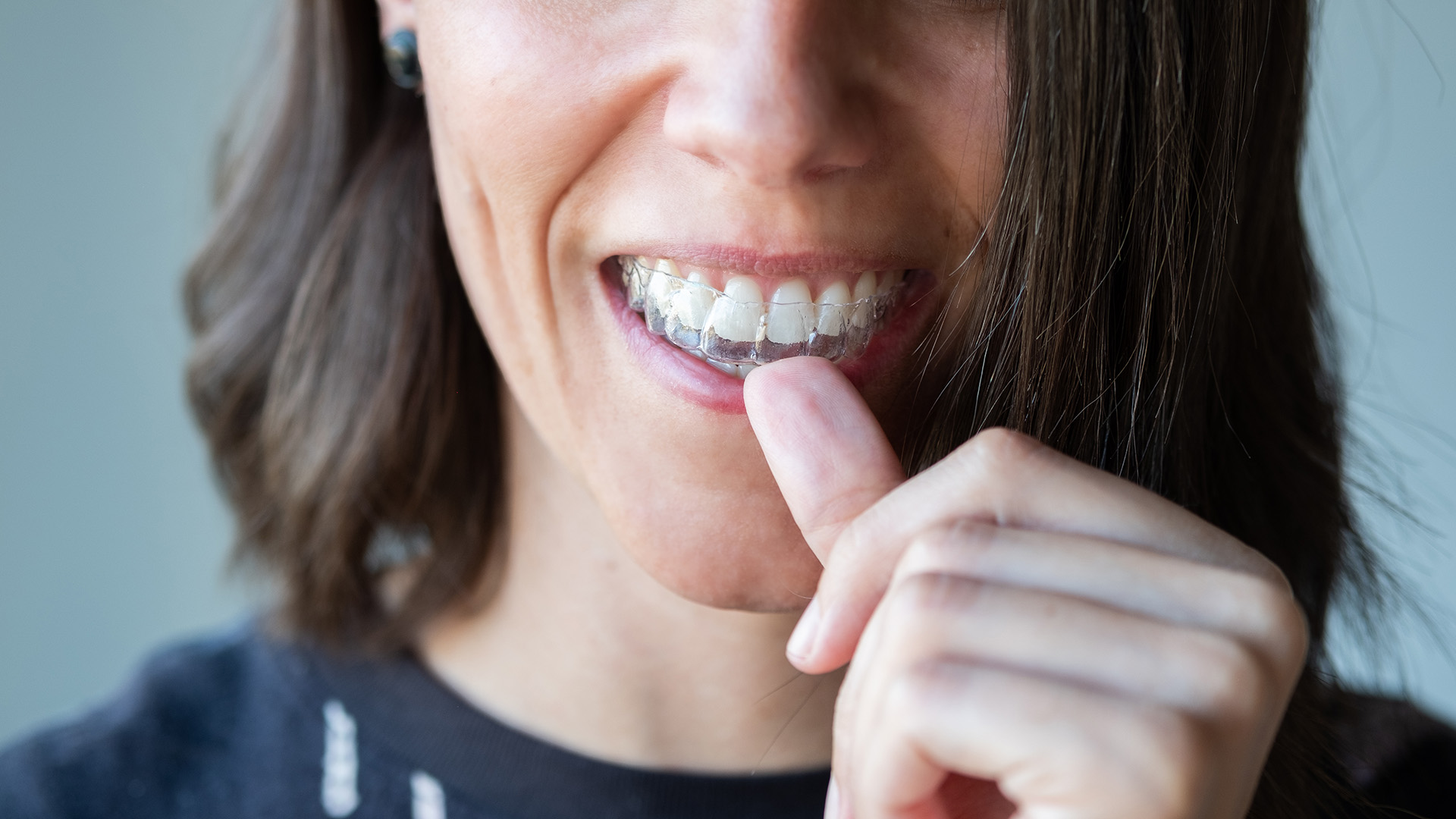
Invisalign straightens your teeth with a series of removable, clear aligners, and it also changes how you approach meals and drinks. The great news is you can still enjoy most of your favorite foods with a few simple habits. This guide answers the common questions of what can I eat with invisalign and what can you eat with invisalign, covering what you can eat, what to avoid, and how to protect your teeth and aligners so your treatment stays on track.
Understanding Invisalign
Invisalign uses custom-made, clear plastic aligners to gently guide teeth into better positions. You’ll wear each set for about one to two weeks before switching to the next in the series. Because the aligners are removable, eating, brushing, and flossing are more straightforward than with brackets and wires.
Benefits include near invisibility, fewer food restrictions when aligners are removed, easier oral hygiene, and fewer emergencies from broken hardware. Many patients also find aligners more comfortable due to their smooth, custom fit.
Overall treatment time depends on your specific case, but many patients finish in 6 to 18 months. For the best results, plan to wear aligners 20 to 22 hours each day, removing them only for meals, snacks, and oral care.
What Foods Can I Eat with Invisalign?
Since aligners are removable, you can enjoy a broad range of foods, just take them out before eating. If you’ve wondered what you can eat with invisalign day to day, focus on choices that are gentle on teeth, easy to chew, and nutrient-dense to support oral and overall health.
- Soft fruits: bananas, berries, ripe peaches, melon
- Cooked or steamed vegetables: carrots, broccoli, zucchini, squash, green beans
- Lean proteins: chicken, turkey, fish, eggs, tofu, beans, lentils
- Whole grains: oatmeal, quinoa, whole-wheat pasta, brown rice, barley
- Dairy and alternatives: yogurt, milk, cheese, fortified non-dairy milks
- Softer snacks: hummus with soft pita, nut butters, cottage cheese, smoothies
Nutritional tips for aligner wearers: Build balanced meals with protein, fiber-rich carbohydrates, and healthy fats to feel satisfied longer. Because frequent snacking cuts into wear time, aim for filling meals that help you hit the 20–22 hour daily target. Limit added sugars to reduce cavity risk, and sip water throughout the day to support saliva flow and rinse away food acids.
Easy meal ideas:
- Breakfast: Greek yogurt with berries and oats; scrambled eggs with spinach; a smoothie with milk, banana, peanut butter, and protein powder
- Lunch: grilled chicken salad with hearty greens; quinoa bowl with roasted vegetables and chickpeas; turkey and avocado on whole-grain bread
- Dinner: baked salmon with brown rice and steamed broccoli; bean and veggie chili; tofu stir-fry with mixed vegetables over quinoa
Remove your aligners before eating, enjoy your meal, then brush or rinse and place aligners back in promptly to maintain your scheduled wear time. If you’re still asking what I can eat with invisalign on a busy day, the safest default is to choose soft, minimally processed foods when aligners are out and stick to water when they’re in.
Foods and Drinks to Be Careful With
You can eat most foods as long as your aligners are out, but certain items can damage aligners if you forget to remove them, or they can make hygiene more challenging.
- Chewy or crusty items: baguettes, hard rolls, bagels
- Hard foods: nuts, hard candy, ice, popcorn kernels
- Forceful biting: whole apples, raw carrots, corn on the cob
- Sticky treats: caramels, taffy, gummy candy, jerky
If you enjoy these foods, eat them only when aligners are out. Take care with very hard or sticky items, which can stress teeth and leave residue. Clean your teeth thoroughly before putting aligners back in to avoid trapping sugars and acids.
About beverages: Drink only plain water while aligners are in. Coffee, tea, red wine, sports drinks, and soda can stain aligners and bathe teeth in sugar and acid, increasing the risk of decay. Hot drinks can warp the plastic. If you choose these beverages, remove your aligners first and rinse or brush before reinserting.
Best Practices for Eating with Invisalign
Consistent habits make treatment smoother and help you avoid delays or unnecessary discomfort. These tips apply whether you’re thinking about what I can eat with invisalign at work or what you can eat with invisalign during travel.
- Remove aligners before every meal and snack. Chewing with them in can crack or warp the plastic and trap food and bacteria against your teeth.
- Use a case every time. Keep a clean case with you to store aligners safely. Never wrap them in a napkin, this is a common way they get lost or thrown away.
- Brush or rinse after eating. Ideally, brush your teeth and aligners before reinserting. If brushing isn’t possible, rinse your mouth and aligners thoroughly with water and brush as soon as you can.
- Floss daily. Clearing food particles reduces the risk of cavities and gum irritation.
- Clean aligners gently. Use a soft toothbrush and unscented clear soap, or an approved cleaning crystal or foam. Avoid toothpaste on aligners, as many formulas are abrasive and can scratch the plastic.
- Plan your day. Consolidate eating into set mealtimes to maximize wear time and reduce unplanned snacking.
Dining Out and Social Situations
With a little preparation, eating away from home is straightforward.
- Carry a mini kit: travel toothbrush, small toothpaste, floss, and your aligner case.
- Step aside discreetly to remove aligners and place them in the case before ordering or when food arrives.
- Choose options that are easy to chew and less likely to stick to teeth, such as grilled fish, steamed vegetables, rice bowls, pasta, or tender cuts of meat.
- After the meal, head to the restroom to rinse, brush if possible, and reinsert promptly so you maintain your daily wear goal.
- Stick to water at the table while aligners are in. If you want a colored or hot drink, remove aligners first.
What Happens If You Eat with Aligners In?
Eating with aligners in can cause several avoidable problems:
- Damage to trays: Crunching and chewing can crack, scratch, or deform the plastic, leading to a poor fit.
- Delayed progress: If trays warp or don’t seat fully, forces won’t be applied correctly, and your teeth may not track to the planned positions. You might need replacement or refinement trays, adding time and cost.
- Higher cavity and gum risk: Food particles trapped under aligners create a warm, enclosed space where bacteria thrive. This can lead to decay, gum inflammation, bad breath, and staining, especially if sugary or acidic foods are involved.
To avoid these issues, always remove aligners to eat and clean your mouth before reinserting.
Quick Reference: Do’s and Don’ts
| Do | Don’t |
| Wear aligners 20–22 hours per day | Eat or snack with aligners in |
| Remove aligners for meals and snacks | Drink hot, sugary, or acidic beverages with aligners in |
| Brush or rinse before reinserting | Store aligners in napkins or loose in a pocket |
| Clean aligners with mild soap or approved crystals | Use abrasive toothpaste on aligners |
| Plan meals to reduce frequent snacking | Miss wear time and extend your treatment |
Final Thoughts
With Invisalign, you can keep a flexible, enjoyable diet by removing your aligners before eating and following smart hygiene habits. Build satisfying, balanced meals to cut down on snacking, drink only water while aligners are in, and brush or rinse before putting them back. Protect your trays by avoiding sticky, hard, and hot foods and drinks when you’re wearing them.
Key takeaways: remove aligners for all meals and snacks; aim for 20–22 hours of daily wear; drink only water with aligners in; brush and floss after eating when possible; and store aligners in their case during meals. These steps help keep your teeth healthy and your treatment on schedule. If you’re ever unsure and wonder what can I eat with invisalign or what can you eat with invisalign in a specific situation, default to removing your aligners and choosing tooth-friendly options, then clean before reinserting.
Have questions about what you can eat with Invisalign or want tailored advice? A quick conversation with your orthodontic team can help you personalize meal routines, manage snacks, and keep your treatment moving efficiently.