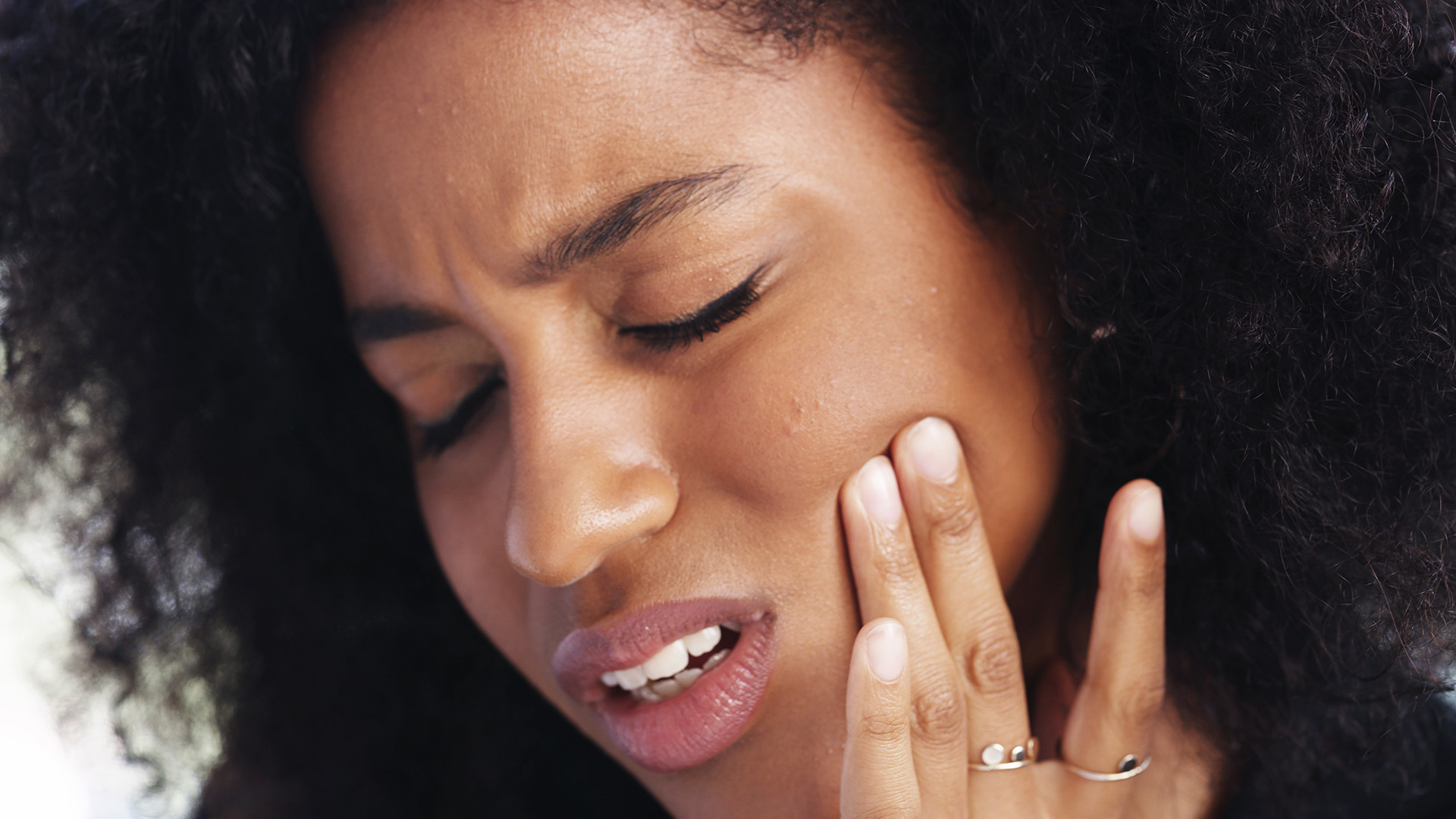
If you’re dealing with jaw pain, clicking, or difficulty chewing, you may be asking what is causing your problems. The temporomandibular joint (TMJ) connects your jaw to your skull and powers everyday movements like chewing and speaking. When this complex system is disrupted, it can lead to temporomandibular disorders (TMD) that affect comfort, function, and quality of life. This guide explains how the TMJ works, the most common causes of TMD, symptoms to watch for, and how orthodontists and dental specialists diagnose and treat these conditions. To learn what causes TMJ in your case, the sections below outline the main factors and how they are identified.
Overview: What Is the TMJ and Why It Matters
The TMJ is a paired joint located in front of each ear where the lower jaw (mandible) meets the temporal bone of the skull. A small fibrocartilage disc sits between the jaw and skull, cushioning and distributing forces. Ligaments help stabilize the joint, while the chewing muscles (masseter, temporalis, medial and lateral pterygoids) move the jaw. Nerves in and around the joint transmit sensation and coordinate muscle activity.
During chewing, the TMJ first rotates and then glides as the mouth opens and closes. When you speak, the joint makes smaller, precise movements to form sounds. Even at rest, the TMJ helps keep the jaw in a relaxed, balanced position with the teeth slightly apart and the tongue resting gently on the palate.
Because we rely on this joint all day, TMJ problems can influence eating, speaking, yawning, sleep quality, and overall comfort. If jaw pain, locking, or noise lasts longer than a week or two, limits your ability to open your mouth, or occurs alongside headaches or ear symptoms, it’s wise to seek a professional evaluation. Common Causes of TMJ Problems
TMJ issues often result from more than one factor. Pinpointing the primary contributors helps guide an effective treatment plan for TMJ symptoms in a particular person.
- Jaw or head injuries and trauma: A blow to the face, sports injury, motor vehicle collision, whiplash, or jaw fracture can strain ligaments, bruise the disc, or alter how the jaw aligns with the skull. Even seemingly minor trauma can trigger muscle guarding and joint inflammation that persist after the initial injury heals.
- Arthritis and joint degeneration: Osteoarthritis can wear down cartilage in the TMJ over time, leading to rough joint surfaces, pain, stiffness, and reduced mobility. Inflammatory arthritis (such as rheumatoid or psoriatic arthritis) may involve the TMJ, causing swelling, pain, and structural changes. Degenerative changes can reduce the disc’s cushioning effect and contribute to clicking or grinding sensations (crepitus).
- Disc displacement and structural abnormalities: The articular disc can shift forward (anterior disc displacement), causing clicking or popping as the jaw opens and closes. If the disc stays out of place and does not reposition, the joint may lock or limit opening. Congenital jaw shape differences, uneven joint surfaces, or changes after growth can also predispose the joint to mechanical problems.
Contributing Factors and Risk Triggers
Some habits and health factors don’t cause TMJ problems on their own but can trigger or worsen symptoms in a susceptible joint. Understanding these influences provides context for what causes TMJ flare-ups.
- Bruxism and teeth clenching: Nighttime grinding or daytime clenching increases load on the TMJ and chewing muscles. Signs include flattened or chipped teeth, tooth sensitivity, morning jaw soreness, and headaches. Over time, repetitive clenching can inflame the joint, strain the disc, and fatigue the muscles that coordinate jaw movement.
- Bite problems and misaligned teeth: A bite that doesn’t distribute forces evenly can overload the joint and certain muscles. Crowding, crossbites, deep bites, missing teeth, and uneven tooth wear may contribute. While orthodontic treatment does not directly cause TMD, improving tooth alignment and bite balance can reduce strain on the TMJ for some patients. An orthodontic evaluation can determine whether bite correction may help relieve joint stress.
- Stress, posture, and chronic muscle tension: Stress often leads to unconscious clenching, shallow breathing, and elevated neck and jaw muscle tone. Slouched posture or forward head position changes how the jaw hinges, placing extra stress on the joint. Improving posture, sleep, and stress management can relax supportive muscles and reduce flare-ups.
Symptoms That Suggest a TMJ Condition
TMJ-related symptoms vary and may come and go. Tracking patterns can help you and your clinician identify causes and triggers.
- Jaw pain, ear pain, headaches, and muscle soreness: Pain may be located in front of the ear, along the jawline, or in the cheek muscles. Many people describe ear fullness or pain without an ear infection. Tension-type headaches or temple pain are common when jaw muscles are overworked.
- Clicking, popping, locking, limited opening, and chewing difficulty: A distinct click or pop often points to disc movement. Locking or limited mouth opening (being unable to fit two to three finger widths between the upper and lower front teeth) suggests restricted joint motion. Chewing hard or chewy foods may worsen symptoms.
- Associated symptoms: Some people experience dizziness, tinnitus (ringing in the ears), or neck and shoulder pain due to shared nerve pathways and muscle connections. These symptoms do not always indicate a TMJ disorder, but when combined with jaw issues they support a TMJ-related diagnosis.
Diagnosis: How TMJ Causes Are Identified
Assessment focuses on identifying the main drivers of your symptoms so treatment is targeted and effective.
- Clinical exam: Your clinician will review your history, including injuries, stress, habits, and dental work. They will evaluate your bite and how your teeth come together, palpate the joint and chewing muscles for tenderness or noise, and measure jaw range of motion. Posture and airway habits may also be assessed, as they can influence muscle tone and jaw position.
- Imaging and tests: Depending on findings, imaging may include panoramic X-rays to view jawbones and teeth, cone beam computed tomography (CBCT) to assess joint shape and bony changes, and magnetic resonance imaging (MRI) to visualize soft tissues and disc position. These tools help confirm disc displacement, arthritis, or structural abnormalities.
- When to refer and collaborate: If symptoms are complex or persistent, your dentist or orthodontist may coordinate care with a physical therapist, oral and maxillofacial surgeon, or pain specialist. Team-based care ensures that joint mechanics, muscle function, and bite forces are all addressed.
Treatment Approaches Based on Cause
The best treatment plan matches the underlying cause and severity of your TMJ condition. Many patients improve with conservative measures, while some benefit from targeted procedures.
| Approach | What It Involves | Best For |
| Conservative care | Occlusal guards (night guards) to protect teeth and redistribute forces; physical therapy to relax and strengthen jaw and neck muscles, improve posture, and restore movement patterns; home strategies like a soft diet during flare-ups, heat or ice, avoiding wide yawns, and scheduling breaks from clenching triggers; stress management, breathing techniques, and sleep optimization. | Mild to moderate pain, muscle-related symptoms, early joint inflammation, and bruxism. |
| Orthodontic and dental care | Selective reshaping of enamel, replacing missing teeth, or orthodontic treatment to balance forces; restoring worn or broken teeth for a more stable bite. | Bite discrepancies that overload the joint or muscles and contribute to recurrent symptoms. |
| Procedural options | Targeted injections (corticosteroids or hyaluronic acid) to reduce inflammation or improve lubrication; arthrocentesis to flush the joint and release adhesions; minimally invasive arthroscopy to address certain disc or joint issues; open joint surgery for severe structural damage or persistent locking unresponsive to other care. | Persistent pain or limited function after conservative care, or clear structural problems on examination and imaging. |
What to expect: Recovery timelines vary. Many people notice improvement within weeks of using a night guard, practicing exercises, and modifying habits. Procedural interventions can provide additional relief when needed, but ongoing self-care and bite stability are key to preventing recurrence.
When to Seek Care
- Jaw pain, clicking, or locking that lasts longer than one to two weeks.
- Limited mouth opening or difficulty chewing that affects daily activities.
- Headaches, ear pain, or facial soreness that recur or worsen.
- History of jaw injury or recent dental changes with new TMJ symptoms.
Early evaluation helps identify the specific causes driving your symptoms and prevents ongoing strain on the joint and muscles. An orthodontic or dental assessment can determine whether your bite, habits, or joint mechanics are key contributors and recommend targeted steps to relieve pain and restore function.
Key Takeaways
- TMD often results from a combination of factors, including injury, arthritis, disc displacement, bruxism, bite imbalances, stress, and posture.
- A thorough exam and appropriate imaging help confirm the causes and guide treatment.
- Most patients improve with conservative care, habit changes, and targeted physical therapy; selected cases benefit from dental, orthodontic, or minimally invasive procedures.
- Consistent self-care and maintaining a stable, balanced bite support long-term relief.
A personalized evaluation is the best next step. By identifying your unique triggers and tailoring care to your needs, it’s possible to reduce pain, restore comfortable movement, and protect your jaw health for the long term.