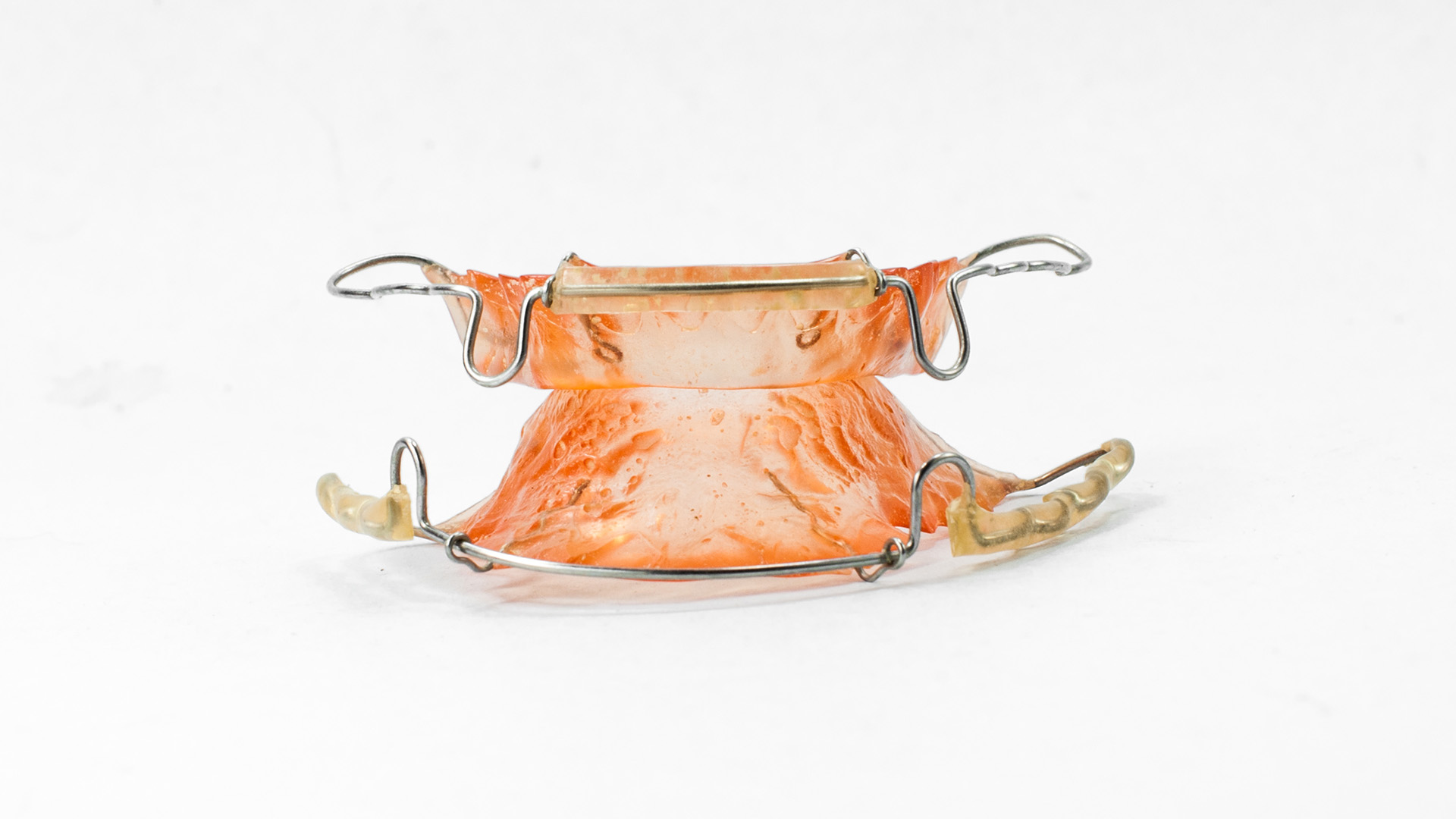
Orthodontic care isn’t finished when your braces come off or your clear aligners end. Retainers are the crucial next step that keep your teeth in their corrected positions. Skipping or inconsistently wearing your retainer can lead to unwanted shifting, relapse, and even the need for re-treatment. Use this guide to understand why retainers matter, what happens if you don’t wear your retainer and how to keep your smile stable for the long term.
Why Wearing Your Retainer Is Essential
Retainers help your teeth stay put while the surrounding bone and soft tissue adapt to their new alignment. After orthodontic treatment, the ligaments and periodontal fibers around your teeth have a natural memory and can pull teeth toward their original positions. Wearing a retainer stabilizes these structures and preserves your bite.
If you don’t wear your retainer as prescribed, teeth can begin to shift within days or weeks. Small movements may lead to crowding, gaps reopening, and bite changes that affect chewing and speech. Over time, this relapse can undo a meaningful portion of your treatment progress. In simple terms, what happens if you don’t wear your retainer, or what happens if you don’t wear a retainer, includes the risk of gradual movement that becomes more noticeable the longer you wait.
Consistent retainer use also supports oral health. Well-aligned teeth are easier to brush and floss, can reduce plaque buildup, and may lower the risk of gum inflammation or enamel wear caused by a misaligned bite. In short, a retainer protects your investment and helps maintain a healthy, functional smile.
Potential Consequences of Not Wearing Your Retainer
Teeth naturally drift throughout life due to chewing forces, age-related changes, and pressure from the tongue and lips. Without a retainer, this normal movement can lead to noticeable relapse. Understanding what happens if you don’t wear your retainer or what happens if you don’t wear a retainer can help you act sooner to prevent more significant changes.
- Shifting and relapse of corrections, such as crowding in the lower front teeth, rotation of previously straight teeth, and gaps reopening between the upper front teeth.
- Possible re-treatment, which may involve new aligners, partial braces, or comprehensive orthodontics depending on how much movement has occurred.
- Emotional and aesthetic impacts, including reduced confidence, frustration after investing time and resources, and reluctance to smile in photos or social settings.
Even minor changes can be frustrating. Catching relapse early usually makes correction simpler and faster, so do not ignore small shifts or tightness when putting your retainer back in.
How Long Should You Wear Your Retainer?
While recommendations vary, most patients should expect long-term retainer wear in some form. Immediately after treatment, you’ll typically be advised to wear your retainer full-time (about 20–22 hours per day) for several months. After the initial stabilization period, many patients transition to nighttime wear.
Typical Guidance by Retainer Type
| Retainer Type | Initial Wear | Long-Term Wear | Notes |
| Removable clear retainers | Full-time for 3–6 months | Nightly or as directed | Discreet; easy to clean; relies on consistent wear |
| Hawley retainers (acrylic and wire) | Full-time for 3–6 months | Nightly or as directed | Durable; adjustable; may be more noticeable |
| Fixed (bonded) retainers | 24/7 by design | Often recommended long-term | Thin wire bonded behind teeth; excellent for lower front teeth |
Factors That Influence Wear Time
- Age: Younger patients’ bone remodels quickly, while adult teeth can drift with aging.
- Case complexity: Rotations and spacing tend to relapse more than simple corrections.
- Habits: Tongue thrust, clenching or grinding, and inconsistent oral hygiene can affect stability.
Your orthodontist may tailor your wear schedule based on how your teeth respond and your lifestyle. If you notice tightness when reinserting your retainer, new tenderness, or slight misalignment, increase consistency or return to full-time wear temporarily and contact your orthodontist for guidance.
What to Do If You’ve Stopped Wearing Your Retainer
If you’ve missed days or weeks, don’t panic. Try the retainer again as soon as possible. If it fits comfortably, resume your original schedule or increase to full-time wear until any tightness subsides.
- If the retainer feels tight but not painful, gently seat it and wear it longer each day. Mild tightness usually indicates minor movement that can be corrected with consistent wear.
- Do not force the retainer if it won’t seat fully or causes significant pain, this can damage the retainer or your teeth.
Contact your orthodontist if the retainer no longer fits, cracks, or causes sores. They may recommend:
- A retainer adjustment or replacement to fit your current alignment.
- Short-term aligner refinements to correct mild relapse.
- A new fixed retainer if you’re prone to crowding.
- Guidance on returning to full-time wear and monitoring progress with quick follow-up checks.
Acting early often prevents the need for comprehensive re-treatment. The longer you wait, the more likely additional orthodontic work will be needed to restore your results. If you are wondering what happens if you don’t wear your retainer, or what happens if you don’t wear a retainer for several weeks, the answer is often measurable movement that is easiest to address right away.
Common Questions About Retainers
What happens if you haven’t worn your retainer for a long time?
Expect some degree of shifting. You may notice a tighter fit, discomfort, or visible changes like crowding or gaps. In many cases, consistent wear can recover minor movements. If the retainer doesn’t seat fully, schedule a visit to discuss options such as a new retainer or limited aligner correction. Knowing what happens if you don’t wear your retainer, or what happens if you don’t wear a retainer for months, helps you decide when to seek help.
How do you care for your retainer?
- Rinse after removal and brush gently with a soft toothbrush and mild, non-abrasive cleanser.
- Avoid hot water, which can warp plastic.
- Store retainers in a ventilated case when not in use and keep them away from pets.
- For deeper cleaning, use retainer-specific cleaning crystals or tablets as directed.
- Do not use bleach, alcohol-based mouthwash, or harsh chemicals.
What’s the difference between permanent and removable retainers?
Permanent (fixed) retainers are thin wires bonded behind teeth to hold alignment continuously. They are discreet and effective, but they require meticulous flossing with threaders or a water flosser to keep gums healthy. Removable retainers (clear or Hawley) can be taken out for eating and brushing and are easier to clean, but they rely on consistent wear. Many patients benefit from a combination, such as a fixed retainer on the lower front teeth and a removable retainer at night for the upper arch.
Maintaining Your Orthodontic Results
Regular check-ups with your orthodontist ensure your retainers fit properly and your teeth remain stable. Routine visits allow for adjustments, replacement if the retainer is worn or damaged, and early intervention if relapse begins.
- Wear your retainers exactly as directed and replace them at the first sign of distortion or cracks.
- Store retainers safely in a protective case, never in a napkin or loose in a bag.
- Maintain excellent oral hygiene with brushing, flossing, and professional cleanings to support gum health.
- Address habits that can move teeth, such as nail-biting, pen-chewing, tongue thrust, or nighttime grinding.
- Consider a night guard if you clench or grind, especially if you use a removable retainer.
Lifestyle matters, too. Balanced nutrition, staying hydrated, and avoiding tobacco support healthy gums and bone. If you notice changes in fit after dental work, pregnancy, or significant weight changes, check in with your orthodontist to update your retainer plan.
Bottom line: Retainers are the key to long-lasting results. If you’ve ever wondered what happens if you don’t wear your retainer or what happens if you don’t wear a retainer, the answer is consistent, teeth can and will move. Consistent wear, proper care, and regular follow-ups will help you keep your smile straight and healthy for years to come.