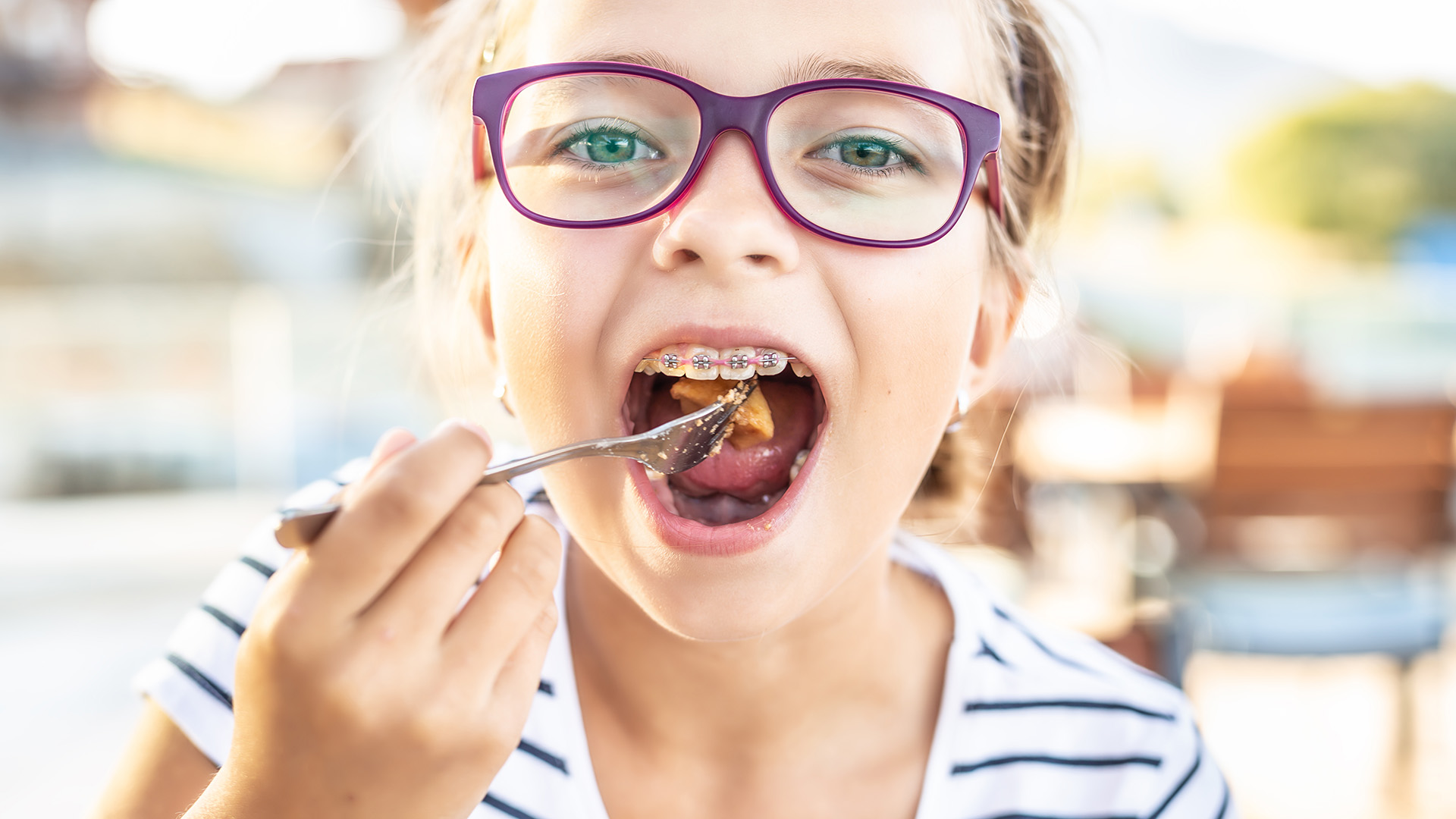
Starting braces is a big step toward a healthier, straighter smile. During the first week, your teeth and cheeks are adjusting, which can make eating feel different. Choosing the right foods reduces discomfort, protects brackets and wires, and keeps you nourished while you adapt. Use this guide to know what to eat with braces the first week, what you can eat the first week of braces, and how to make meals easier and more comfortable.
Understanding the Challenges of Eating with Braces
Mild soreness and pressure are common for a few days after braces are placed or adjusted. Your cheeks, lips, and tongue may also feel irritated as they get used to the brackets. This tenderness can make biting and chewing uncomfortable, especially with firm textures.
The first three to five days are typically the most challenging. During this time, softer foods and slower eating help you manage sensitivity. You will likely learn to chew with your back teeth, take smaller bites, and avoid biting into foods with your front teeth. These adjustments guide what to eat on the first week of braces and what not to eat with braces the first week.
Your choices in the first week matter for comfort and appliance protection. Soft, nutrient-dense foods ease pressure on sore teeth and reduce the risk of loosening brackets or bending wires. Smart selections also help you maintain energy and support oral health while your mouth adapts. Knowing the food that you can eat with braces helps you stay comfortable and confident.
Recommended Foods for the First Week with Braces
Focus on soft, smooth, easy-to-chew foods that are gentle on sensitive teeth. When wondering what can you eat the first week of braces, start with this list of soft foods for braces:
- Dairy and protein: yogurt, cottage cheese, scrambled eggs, tofu, tender shredded chicken, flaky baked fish, beans, and lentils
- Grains and starches: oatmeal, mashed potatoes, well-cooked pasta, soft rice, and soft breads
- Fruits and vegetables: applesauce, ripe bananas, peaches, seedless melon, steamed carrots, mashed pumpkin or sweet potato, and pureed soups
- Other soft options: hummus, soft cheeses, and smooth nut butters
Keep meals balanced with a mix of protein, carbohydrates, and healthy fats. Include dairy or fortified alternatives for calcium, and add iron and protein sources to support healing. Stay hydrated with water. Smoothies can be a convenient way to get vitamins and minerals, but skip seeds or crunchy mix-ins that can lodge in braces. This approach covers what to eat with braces the first week and aligns with soft foods for braces that keep your mouth comfortable.
Easy meal ideas:
- Breakfast: oatmeal topped with mashed banana and a small spoon of peanut butter, or scrambled eggs with soft avocado
- Lunch: creamy tomato soup with soft bread, or macaroni and cheese with finely steamed, chopped broccoli
- Dinner: baked salmon with mashed sweet potatoes, or soft shredded chicken tacos with refried beans and ripe avocado
- Snacks: yogurt, pudding, seed-free smoothies, cottage cheese with canned peaches, or hummus with soft pita
Foods to Avoid During the First Week with Braces
Skip hard, crunchy, and sticky foods that can damage brackets, bend wires, or increase soreness. Understanding what not to eat with braces the first week is just as important as choosing the food that you can eat with braces. Avoid chips, hard taco shells, crusty bread, bagels, hard pretzels, nuts, popcorn, ice, and raw crunchy vegetables like carrots or whole apples. Sticky foods such as caramels, taffy, gummy candies, and chewy granola bars can pull on brackets and get trapped around wires.
Certain items are risky because they require strong biting pressure or cling to the hardware. Biting into whole apples, corn on the cob, or tough meats puts stress on brackets. Sticky sweets and caramelized coatings adhere to braces and are difficult to clean, raising the risk of cavities and irritation. Keep a mental list of what not to eat with braces the first week as you plan meals.
Common examples to avoid the first week include hard candies, jerky, pizza crusts, nuts, seeds, kettle-cooked chips, chewy baguettes, chewy candies, and crunchy cereals. If you want fruits and vegetables, choose soft varieties or cook and cut them into small pieces to chew with your back teeth. These guidelines clarify what to eat on the first week of braces by pointing you toward safer textures.
Tips for Comfortably Eating with Braces
Eat slowly, take small bites, and chew with your back teeth to reduce pressure on sore front teeth. Cut food into bite-size pieces and choose moist preparations like stews, slow-cooked meats, and sauces to make chewing easier. When unsure, err on the softer side during the first week. This strategy helps define what to eat with braces the first week in a practical way.
Temperature can help manage soreness. Cool choices such as chilled applesauce, seed-free smoothies, or cold water can soothe tender areas. Warm options like soups, oatmeal, and herbal tea can relax irritated tissues. Apply orthodontic wax to any brackets rubbing your cheeks to reduce friction while eating.
Keep your mouth clean to prevent irritation and decay. Brush gently after meals with a soft-bristled brush, angling bristles around brackets. Floss daily using a floss threader or orthodontic flosser, and consider a water flosser to remove trapped debris. Rinse with a fluoride mouthwash in the evening. Limit sugary drinks and frequent snacking to reduce plaque buildup. If a wire or bracket feels loose, contact your orthodontic team for guidance rather than trying to fix it yourself.
Sample One-Week Soft Menu
| Meal | Ideas |
| Breakfast | Greek yogurt with applesauce, oatmeal with cinnamon, soft scrambled eggs with melted cheese |
| Lunch | Butternut squash soup with soft roll, tuna salad on soft bread, mashed potatoes with cottage cheese |
| Dinner | Turkey meatballs in marinara over soft pasta, baked tilapia with rice, slow-cooked chicken with mashed sweet potato |
| Snacks | Pudding, smoothies without seeds, hummus with soft pita, ripe banana, cottage cheese with soft fruit |
Use this menu as a starting point when deciding what you can eat the first week of braces. Each idea features soft foods for braces and highlights the food that you can eat with braces while avoiding risky textures.
When to Call Your Orthodontist
Mild soreness is expected, but reach out if pain is severe, a bracket or wire comes loose, or you notice sores that do not improve after a few days. Your orthodontic team can provide wax, comfort tips, or quick adjustments to keep you on track.
The Bottom Line
The first week with braces is an adjustment, but the right food choices make a big difference. Choose soft, balanced meals, avoid hard and sticky items, and keep up with gentle cleaning. If you are unsure about what to eat on the first week of braces, return to this guide for examples of soft foods for braces and reminders of what not to eat with braces the first week. With a few simple strategies, you will stay comfortable, protect your braces, and keep your treatment moving forward.
Frequently Asked Questions About Eating with Braces
1. Why do my teeth hurt so much when I try to chew during the first week?
What you are feeling is completely normal. When braces are first placed, they apply constant, gentle pressure to your teeth to start moving them into alignment. This pressure creates mild inflammation around the roots of your teeth, making them highly sensitive to physical pressure like biting and chewing. This tenderness usually peaks around days 3 to 5 and then steadily fades. Stick to liquids and ultra-soft foods during these first few days.
2. Can I eat pizza or burgers during my first week with braces?
It is highly recommended that you skip them for the first 7 days. While a burger or pizza might not seem “hard,” pizza crusts are thick and chewy, which can easily bend wires or snap a bracket off your back teeth. Burgers require you to bite directly into them with your front teeth—which will likely be much too sore for that kind of pressure. After the first week, you can enjoy a burger if you cut it into tiny, bite-sized pieces and chew carefully with your back molars.
3. What should I do if a bracket accidentally comes loose while I’m eating?
Don’t panic! Brackets coming loose during the first few weeks is a common rite of passage. If a bracket breaks away from the tooth, it will usually stay attached to the wire. Simply dry the area with a tissue and apply a small pea-sized ball of orthodontic wax over the loose bracket to keep it from sliding around or poking your cheek. Then, call your orthodontic office to schedule a quick appointment to have it rebonded.
4. Are smoothies safe to drink, or can they damage my braces?
Smoothies are an amazing, cold way to get nutrients and soothe sore gums—but you have to watch the ingredients. Strictly avoid adding fruits with tiny seeds, like strawberries, raspberries, or blackberries. These seeds love to get permanently lodged behind your archwire and underneath brackets, which can irritate your gums and cause plaque build-up. Stick to seedless bases like bananas, mangoes, protein powders, and smooth nut butters.
5. When can I go back to eating my normal diet?
For most patients, the initial soreness completely vanishes by the end of the first week or ten days. Once your teeth no longer feel tender when you chew, you can transition back to your regular diet. However, the “golden rules” of braces always apply: even after the soreness stops, hard candies, popcorn, sticky caramels, and whole apples remain on the banned list for the duration of your treatment to protect your hardware.