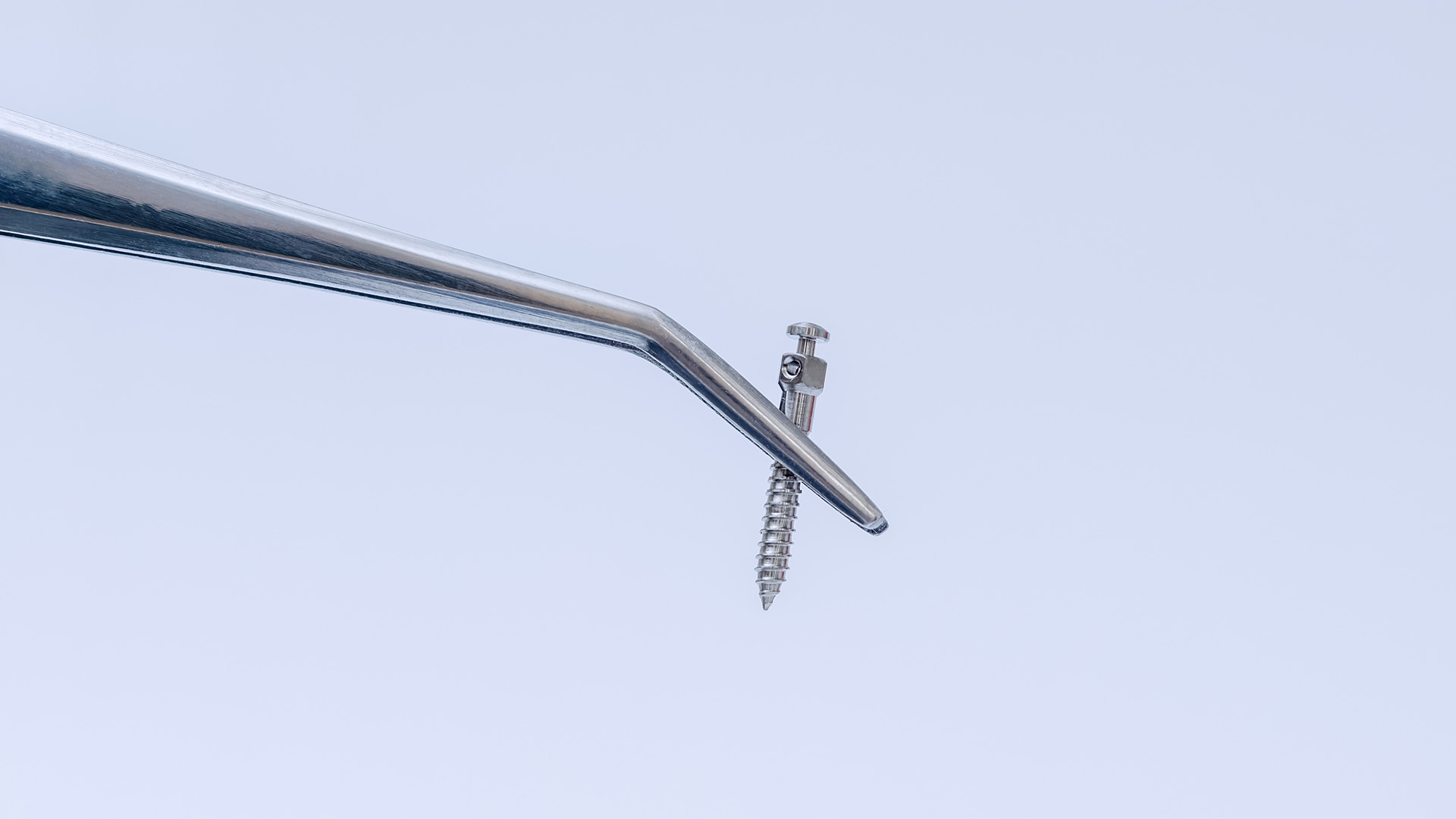
Temporary anchorage devices, or TADs, have reshaped modern orthodontics by providing a small, stable anchor inside the mouth to move teeth with precision. When a temporary anchorage device is necessary, it gives clinicians predictable control over tooth movement, often shortening treatment time and helping avoid more invasive options. Below, you’ll learn what TADs are, when they’re used, and what to expect if one is part of your treatment plan.
What Temporary Anchorage Devices (TADs) Are and How They Work
TADs are tiny, biocompatible screws, usually made of medical-grade titanium, placed into the bone between teeth to act as a secure anchor during orthodontic treatment. Each device has a threaded body that gently engages the bone, a head for attaching elastic chains, springs, or wires, and sometimes a collar that rests just above the gum tissue. Titanium is well tolerated by the body, making these devices safe, strong, and reliable.
Unlike traditional anchorage that depends on other teeth or bulky appliances, TADs provide what orthodontists call absolute anchorage. By resisting unwanted movement, they allow careful direction of force precisely where it’s needed. This level of control can make complex corrections more efficient and predictable.
TADs support a wide range of movements, including:
- Intrusion: moving a tooth upward into bone to reduce a gummy smile or level the bite.
- Extrusion: bringing a tooth down to meet the bite.
- Tipping control: guiding the angle of a tooth without shifting others.
- Molar protraction or distalization: moving molars forward or backward to correct bite relationships.
They also help maintain anchorage during space closure, midline corrections, and fine-tuning alignment with braces or clear aligners.
When a TAD Is Recommended: Key Clinical Indications
We consider a TAD when maximum control is needed and traditional methods may not deliver the desired result. Common indications include:
- Closing an open bite by intruding posterior teeth.
- Applying traction to an impacted tooth that needs guidance into place.
- Moving molars backward (distalization) or forward (protraction) without shifting other teeth.
- Managing cases with a high risk of anchorage loss, where anchoring teeth might otherwise drift.
We evaluate several factors when deciding to use a TAD: your age and growth stage, bone quality and thickness in the intended placement area, the direction and complexity of the planned movement, current bite relationships, and your overall goals. We also consider whether a TAD can simplify care by reducing the need for extractions, eliminating headgear, or avoiding certain surgical procedures. In many cases, adding a TAD makes treatment more efficient and less invasive.
Every recommendation is individualized. We’ll review the benefits and limitations, show how the TAD supports your specific movements, and discuss alternatives so you can make an informed decision for your unique situation.
Placement, Care, and What to Expect During Treatment with TADs
Placement is a quick, minimally invasive procedure performed in the office. After numbing the area with a small amount of local anesthesia, the TAD is gently placed through the gum and into the bone between teeth. Most patients feel pressure rather than pain, and the appointment typically takes only a few minutes per device. In some cases, a topical anesthetic or numbing gel may be used in addition to local anesthesia. Often, the TAD can be connected to an appliance the same day, or at a brief follow-up within a week.
Mild tenderness is common for a day or two after placement. Over-the-counter pain relief and a soft-food diet for the first 24 hours usually help. Keep the area very clean: brush gently around the TAD head with a soft brush, use an antimicrobial mouth rinse if recommended, and maintain your normal brushing and flossing routine. You may notice the TAD with your tongue at first. Temporary soft tissue irritation may occur, but it typically subsides as the tissue adapts.
Minor issues can include slight loosening, gum inflammation near the device, or irritation from elastics. If a TAD loosens, it can often be retightened or repositioned. Contact your orthodontic team if you notice persistent redness, swelling, or drainage, as these could be signs of infection that can be addressed promptly.
Most TADs remain in place for several months, long enough to achieve the planned movement, and are removed once their job is complete. Removal is straightforward, performed with local anesthesia or even without it in some cases, and typically takes only a few moments. The small soft tissue site heals quickly, similar to how a pierced ear closes.
Risks, Benefits, and How Decisions Are Made
TADs offer significant advantages: improved treatment efficiency, precise control over tooth movement, and fewer bulky appliances. They can reduce the need for extractions, eliminate headgear, and in select cases provide an alternative to more invasive surgical approaches. As with any procedure, there are potential risks, including minor infection around the device, soft tissue irritation, or loosening if bone quality is limited or forces are misapplied. Serious complications are uncommon, and most issues are manageable with prompt care.
To evaluate candidacy, clinicians perform a comprehensive exam, review dental and medical history, and take X-rays, often including a CBCT scan when appropriate, to assess bone thickness, root positions, and safe placement sites. A personalized plan is then developed that aligns with your goals, detailing how the TAD supports specific movements and how long it will be in place. Alternatives are explained so you understand all options and know when a temporary anchorage device is necessary versus when other approaches may suffice.
Consider asking your orthodontist:
- Why is a TAD recommended in my case?
- What movements will it support?
- How long will it stay in?
- What are the alternatives?
- What is the plan if the TAD loosens?
TADs are used selectively and thoughtfully, integrated into individualized plans when they improve predictability, comfort, and outcomes. Clear communication about goals, benefits, and risks helps ensure you feel confident and informed throughout treatment.