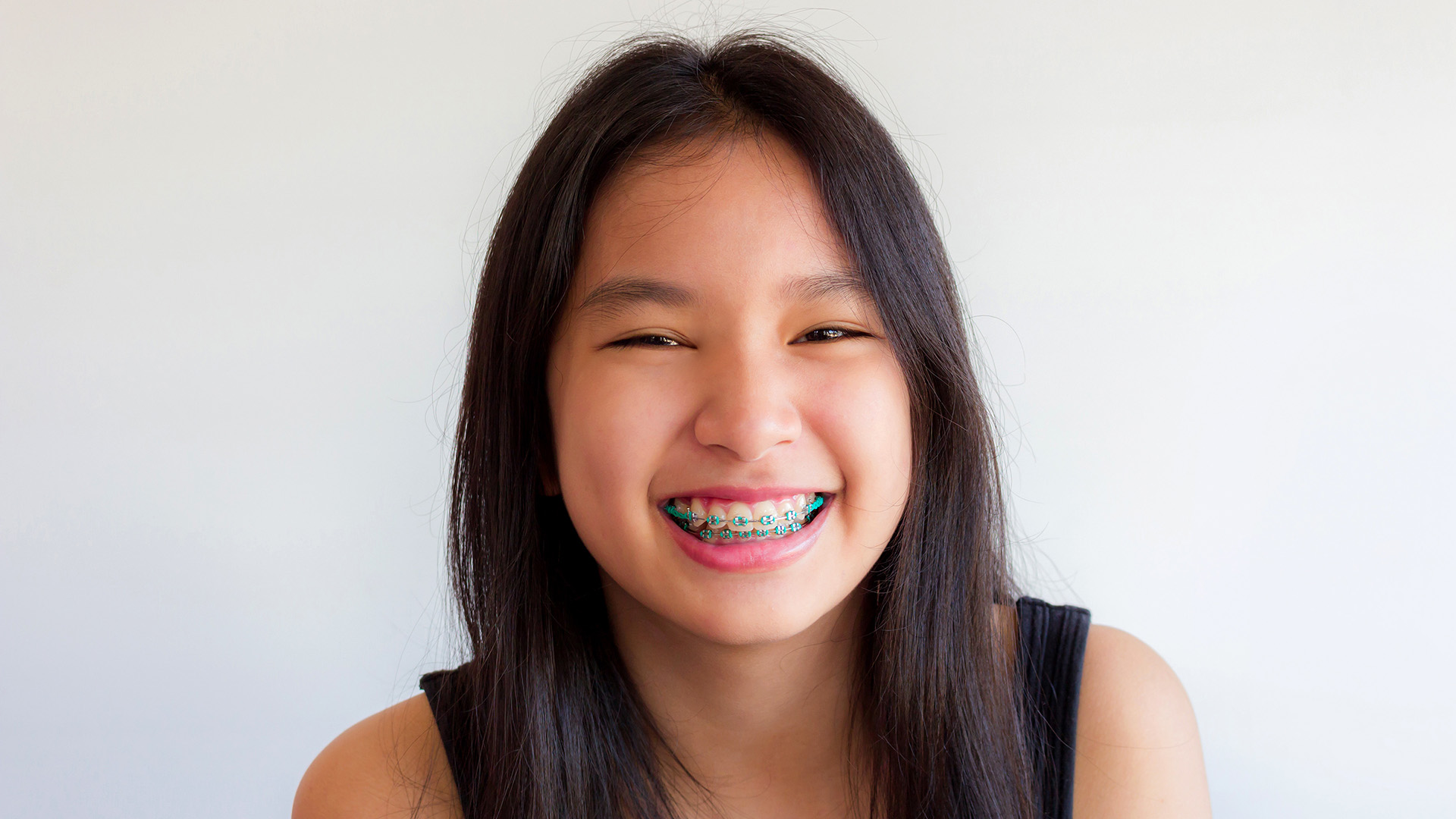
Finishing orthodontic treatment is a major milestone, but teeth and jaws continue to adapt throughout life. That is why some people need braces twice, and why getting braces a second time can be the right choice for long-term stability. Understanding why relapse happens, what retreatment involves, and how to protect your results will help you make confident decisions and keep your smile stable over time.
Why a Second Round of Braces May Be Needed
Relapse linked to retainer use is the most common reason for getting braces a second time. After braces or aligners, teeth naturally tend to drift toward their original positions. Inconsistent retainer wear, not following instructions, or losing a retainer can allow small shifts to build into noticeable crowding or spacing. Retainers are essential for holding your corrected alignment while tissues remodel, which explains why some people need braces twice when retention lapses.
Growth and eruption changes can also alter a previously well-aligned bite. In the teen years, late jaw growth can change how upper and lower teeth fit together. Wisdom teeth may contribute to crowding for some patients, especially when space is limited. In adults, gradual changes in bone and gums, or shifting related to clenching and grinding, can create new misalignment years after initial treatment, leading to situations where getting braces a second time becomes advisable.
Initial treatment scope can lead to a planned second phase or a later tune-up. Two-phase braces guide jaw growth early, then fine-tune alignment once all adult teeth erupt. In other cases, the first treatment achieved the best result possible at the time given growth uncertainty, patient goals, or gum health. As goals evolve, such as seeking a more precise bite or enhanced smile aesthetics, additional treatment may be recommended. This is another reason why some people need braces twice, particularly when two phase braces were used to address early developmental issues.
What to Expect If You Need Braces Again
Retreatment begins with a comprehensive assessment and a clear plan. Your orthodontist will review your history, examine your bite, and take updated records, which may include digital scans, photographs, and X-rays. Based on your goals and the amount of relapse, options may include full braces, clear aligners, or limited treatment focused on specific teeth. You will discuss benefits, costs, and expected outcomes to choose the approach that fits your needs if you are getting braces a second time.
Timelines vary by complexity. Minor relapse often responds to a short course of aligners or a few months of limited braces. More significant shifts, bite discrepancies, or crowding can require 9 to 18 months, similar to a first treatment. Compared with your initial experience, a second round is often shorter and more targeted, supported by digital planning, lighter forces, and fewer in-person visits when remote monitoring is available. You will move through familiar phases: aligning and leveling, bite correction, detail finishing, and retention, whether this is part of two phase braces or a later retreatment.
Some cases benefit from adjunctive procedures to achieve a stable result:
- Extractions in cases of severe crowding with very limited space.
- Interproximal reduction (gentle enamel reshaping) to create small amounts of space and improve tooth fit.
- Jaw surgery for significant skeletal discrepancies that braces alone cannot correct.
- Periodontal care before and during orthodontics if gum disease, recession, or bone loss is present.
How to Reduce the Chance of Needing Braces Twice
Retainers are your long-term protection for a lasting smile. Most patients start with full-time wear right after appliances come off, then shift to nightly wear. Many orthodontists now recommend lifetime night-time wear to maintain alignment as teeth and tissues age. Keep a backup retainer, replace worn or cracked retainers promptly, and consider a fixed (bonded) retainer for the lower front teeth if advised. Parents can help children by setting reminders and checking fit regularly to reduce the likelihood of getting braces a second time.
Oral habits and oral health strongly influence alignment:
- Manage grinding with a nightguard or a retainer designed to provide protection.
- Address tongue thrust or mouth breathing with myofunctional therapy or an airway evaluation if needed.
- Maintain gum health with consistent brushing, flossing, and professional cleanings; gum disease can lead to shifting teeth and new spacing.
- Avoid nail biting and pen chewing, which can stress teeth and retainers.
Stay connected with your orthodontic team. Schedule periodic follow-ups, especially during growth spurts or if your retainer feels tight. Report changes like new crowding, jaw discomfort, or a damaged retainer right away. Your orthodontist can monitor growth, adjust retainers, and update your maintenance plan to keep your bite stable and reduce the likelihood of why some people need braces twice.
Quick Reference: Common Causes and Solutions
| Cause | What You May Notice | Typical Solutions |
| Inconsistent retainer wear | Mild crowding or spacing returns | Refit retainers, short aligner touch-up, reinforce nightly wear |
| Late growth or wisdom teeth | Bite feels different or teeth rotate | Limited braces or aligners; evaluate wisdom teeth |
| Grinding/clenching | Tooth wear, soreness, shifting | Nightguard or protective retainer; manage stress and bite forces |
| Gum or bone changes | New spacing, tooth mobility | Periodontal therapy; coordinated orthodontic care |
| Initial treatment limits | Desire for a more precise bite or smile | Targeted retreatment; refinement with aligners or braces |
When to Seek an Orthodontic Evaluation
If your retainer feels tight, you notice new crowding or spacing, or your bite no longer feels comfortable, schedule an evaluation. A specialist can take updated records, explain your options, and design a plan that prioritizes efficiency, comfort, and long-term stability. With the right guidance and consistent retention, most patients can avoid getting braces a second time, or complete a second, streamlined treatment that protects their smile for years to come. Knowing why some people need braces twice, and how two phase braces or later retreatment fit into overall care, empowers you to keep your results stable.