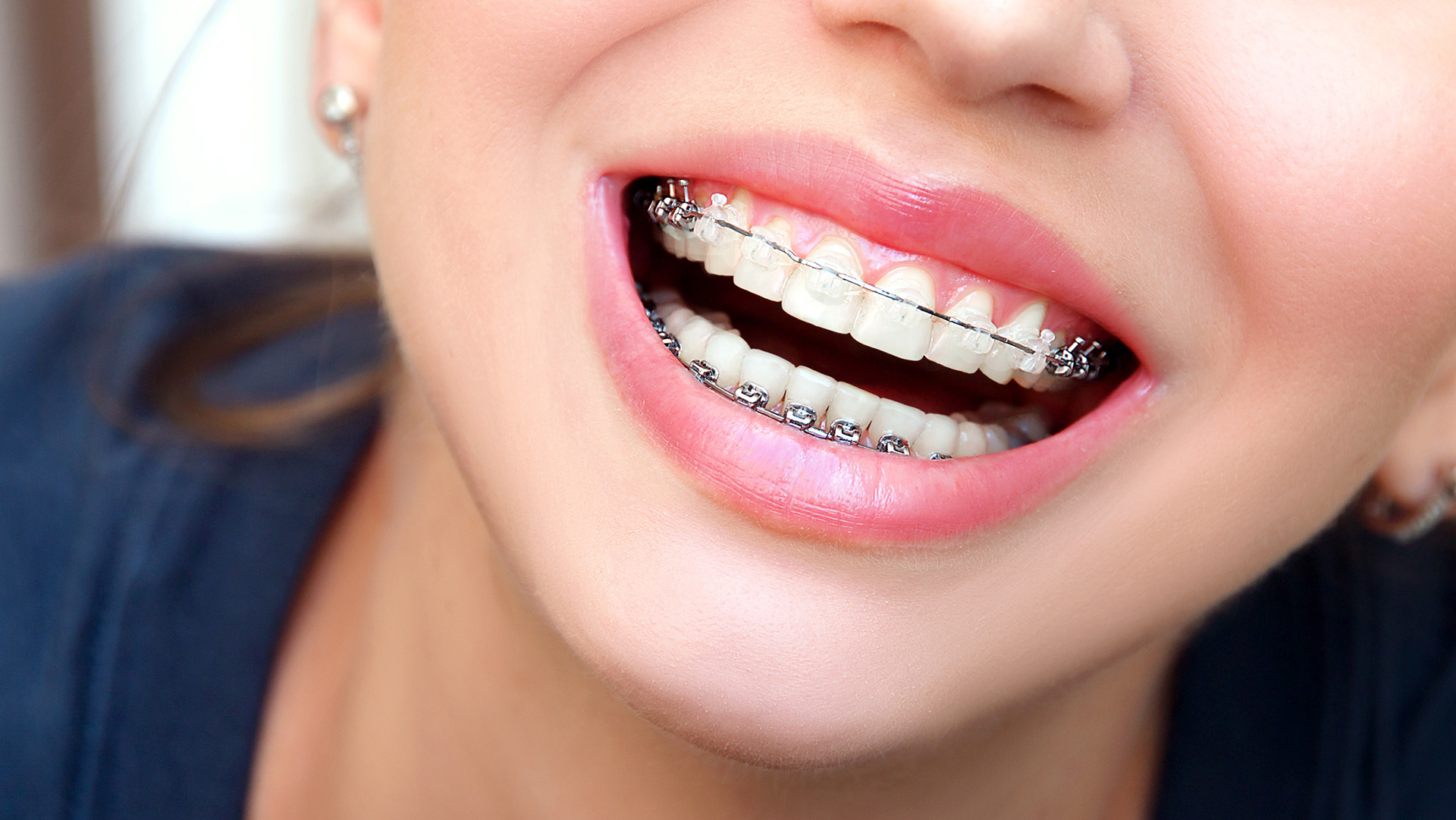
Many people ask whether braces or clear aligners can make their face look more balanced. In many cases, orthodontic treatment improves facial symmetry by aligning teeth and correcting the bite. The extent of change depends on whether the imbalance is primarily dental (tooth and bite related) or skeletal (jaw size or position). If you are wondering, will braces make my face more symmetrical? The answer is that changes are often subtle but meaningful when the concern is dental in nature. Here is what to know before you begin, including how a braces transformation can vary from person to person.
Understanding Facial Asymmetry
Facial asymmetry means the two sides of the face are not exact matches. This can involve:
- Skeletal factors: differences in jaw size or position
- Dental factors: tooth position, midline shifts, crowding, or crossbites
- Soft-tissue factors: the way lips, cheeks, and muscles rest over teeth and jaws
Common contributors include genetics, growth patterns, habits like thumb sucking or mouth breathing, past injuries, and chewing predominantly on one side.
Orthodontists assess asymmetry through a comprehensive exam. This typically includes facial and dental photographs to evaluate proportions and smile lines; bite analysis with dental models or digital scans to review occlusion and midlines; and imaging such as panoramic X-rays, cephalometrics, or CBCT when indicated to visualize jaw joints, airway, and bone structure. These records help determine whether the issue is dental, skeletal, or a combination.
Mild asymmetry is very common and often considered a normal variation. When differences are more noticeable, affect chewing or jaw comfort, or create a significant cosmetic concern, treatment may be recommended. Identifying whether the primary source is tooth position or jaw position guides the best approach.
How Orthodontic Treatment Can Affect Facial Symmetry
Braces and clear aligners can enhance perceived symmetry by:
- Aligning the dental arches and straightening teeth
- Correcting dental midlines so the smile appears more centered
- Balancing the way upper and lower teeth fit together
- Coordinating arches or expanding a constricted arch to address crossbites
As the bite improves, lips and cheeks often appear more even, and the smile line can look more harmonious. In select cases, bite correction helps guide the lower jaw into a more centered functional position, which can subtly improve facial balance and contribute to the type of face change people notice in photos.
There are limits to what orthodontics alone can accomplish. When asymmetry stems from a significant jaw discrepancy, such as one side of the lower jaw growing longer, braces or aligners cannot change bone size or position enough in adults. In those cases, orthodontic treatment may be combined with orthognathic (jaw) surgery for comprehensive correction. For growing patients, growth modification appliances may offer benefits depending on timing and severity.
Most patients notice progressive changes during treatment: midlines move toward center, the bite becomes more coordinated, and the smile looks more even. Final detailing with elastics or precise wire adjustments refines these results. Comprehensive treatment often ranges from 12 to 24 months, depending on complexity and compliance. Retainers are essential after treatment to maintain tooth positions and the visual balance achieved, helping preserve any improvements to overall facial symmetry.
Who Is a Good Candidate and What to Expect
Candidacy depends on age, severity, and the source of asymmetry. Children and teens may benefit from interceptive options during growth, which can influence jaw development. Adults can achieve significant improvements in dental symmetry and smile aesthetics, but larger skeletal discrepancies may require surgical coordination. Your orthodontist will also consider bite relationships (overbite, underbite, crossbite), airway considerations (nasal breathing, enlarged tonsils, sleep-disordered breathing), and TMJ health to guide safe, effective care.
A thorough assessment includes a clinical evaluation of facial proportions and function, an intraoral exam for crowding and bite, high-quality photographs, digital scans or impressions for models, and appropriate imaging (panoramic or cephalometric X-rays and, when indicated, a CBCT scan). Based on these findings, your orthodontist will craft a personalized plan and coordinate with oral surgeons, ENT specialists, or your general dentist when needed.
Setting realistic goals is essential. Orthodontics can improve smile symmetry and the way soft tissues drape over teeth, but it may not fully correct skeletal asymmetry without surgery. Your informed consent should cover expected benefits, risks (such as root resorption, gum recession, and temporary discomfort), and alternatives. Common strategies include braces or aligners with elastics for midline correction, selective extractions to balance arches in certain cases, and expansion or bite turbos to correct crossbites. When jaw imbalance is significant, combined orthodontic and surgical treatment may be recommended.
Practical Considerations and Next Steps
Non-surgical options may include orthodontic camouflage, where tooth positions are adjusted to create a more balanced smile without altering underlying bone. Elastics can help center the bite, and expansion can widen a constricted arch to reduce asymmetry related to crossbites. Your orthodontist will review whether and when orthognathic surgery should be considered, especially for pronounced skeletal differences or functional problems.
During treatment, consistent home care and compliance are crucial. Brush after meals, floss daily, and use fluoride as advised. Follow elastic wear and aligner schedules carefully; these habits directly affect outcomes and timelines. Expect subtle changes to occur gradually. Early movements may make the smile look different before it looks better, and the most noticeable symmetry improvements typically appear as the bite is fine-tuned near the end of treatment.
Ready to get started? At your consultation, consider asking:
- Is my asymmetry primarily dental, skeletal, or both?
- What results can I expect without surgery, and what would surgery add?
- How long will treatment take, and what maintenance will be required?
- What diagnostic records will you collect, and why?
Diagnostic records typically include facial and intraoral photographs, digital scans or impressions, a panoramic or cephalometric X-ray, and, when indicated, a CBCT scan. With an individualized plan and consistent care, many patients achieve a more harmonious smile and improved facial balance.